
Flora in Shimla
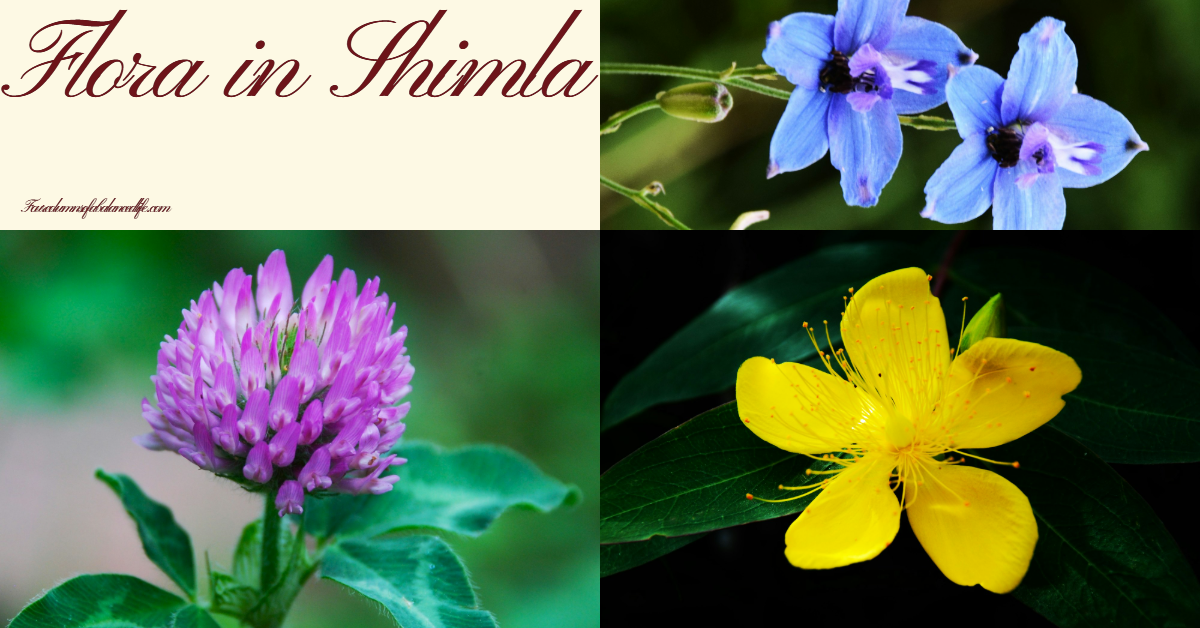
The flora in Shimla is awe-inspiring. Shimla, nestled in the foothills of the Himalayas, boasts a rich and diverse flora that adds to its scenic charm. The region is adorned with dense forests of Pine, Deodar (Himalayan Cedar), Oaks, and Rhododendron, offering a lush green canopy throughout the year. Seasonal flowering plants bring bursts of color, while fruit-bearing trees like apple and apricot thrive in the cool climate. The biodiversity supports a unique ecosystem, attracting nature lovers and botanists alike. Shimla’s natural vegetation not only enhances its beauty but also plays a vital role in maintaining the ecological balance of this picturesque hill station.
Dr. Vaneet Jishtu is a field botanist specializing in Himalayan flora. Based at the ICFRE – Himalayan Forest Research Institute (HFRI) Shimla, he leads diverse research initiatives focused on the region’s unique plant life. In Shimla, he has been instrumental in establishing an arboretum—a specialized botanical garden showcasing an extensive collection of native Himalayan tree species. Dr. Jishtu resides in Shimla, where he continues his work in plant conservation and botanical research. I talk to Dr. Jishtu about the flora in Shimla.
Dr. Jishtu, an honor to have you on Four Columns. Talk to me about the flora in Shimla and how can I identify them?
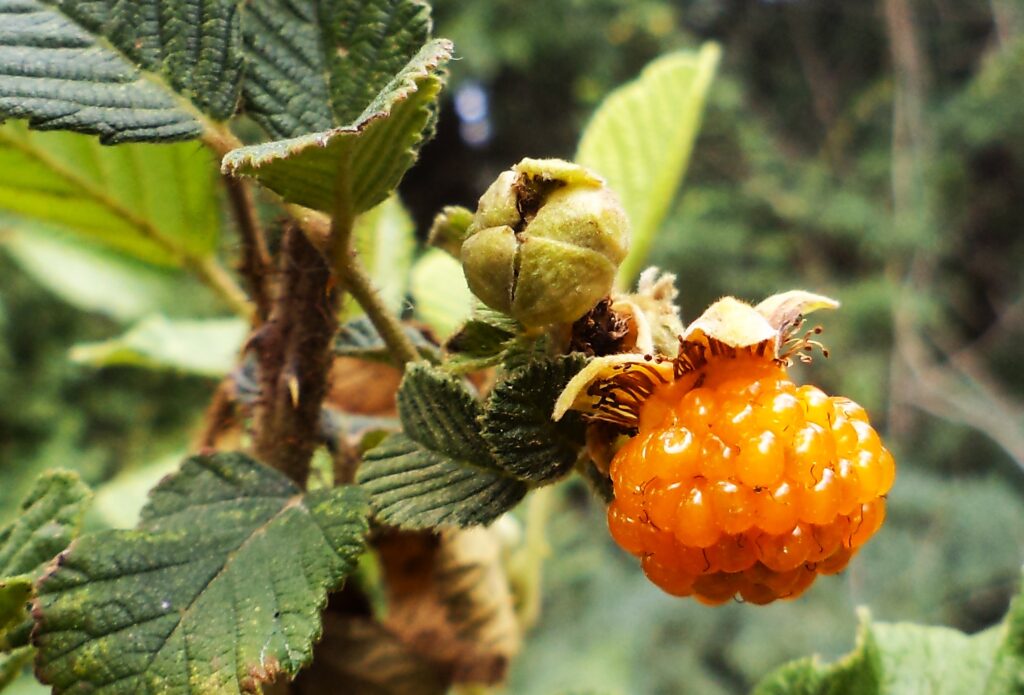
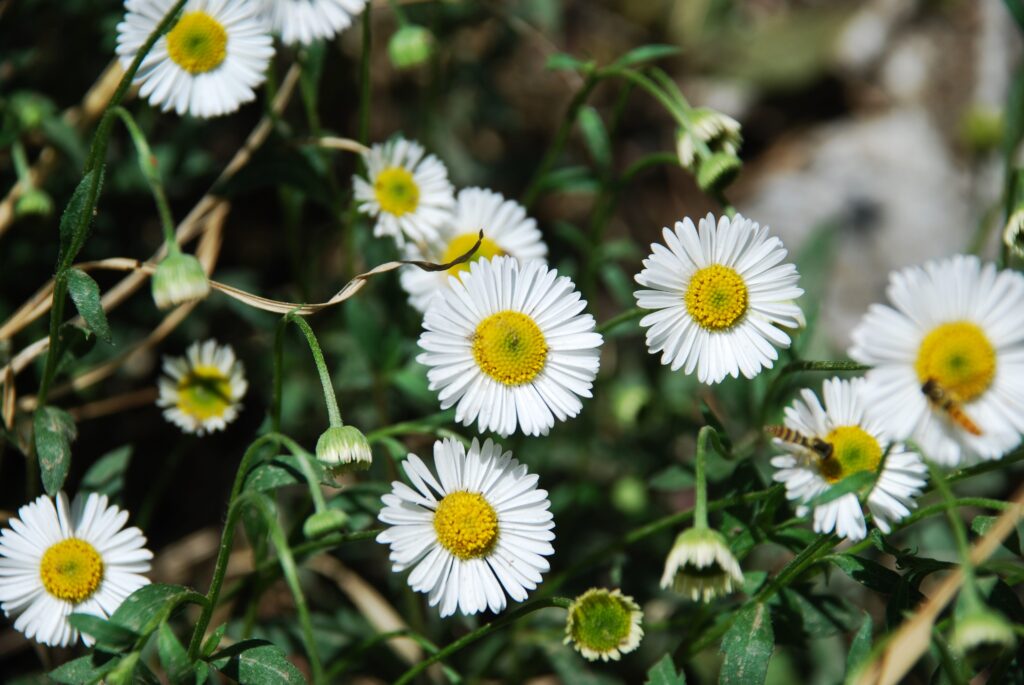
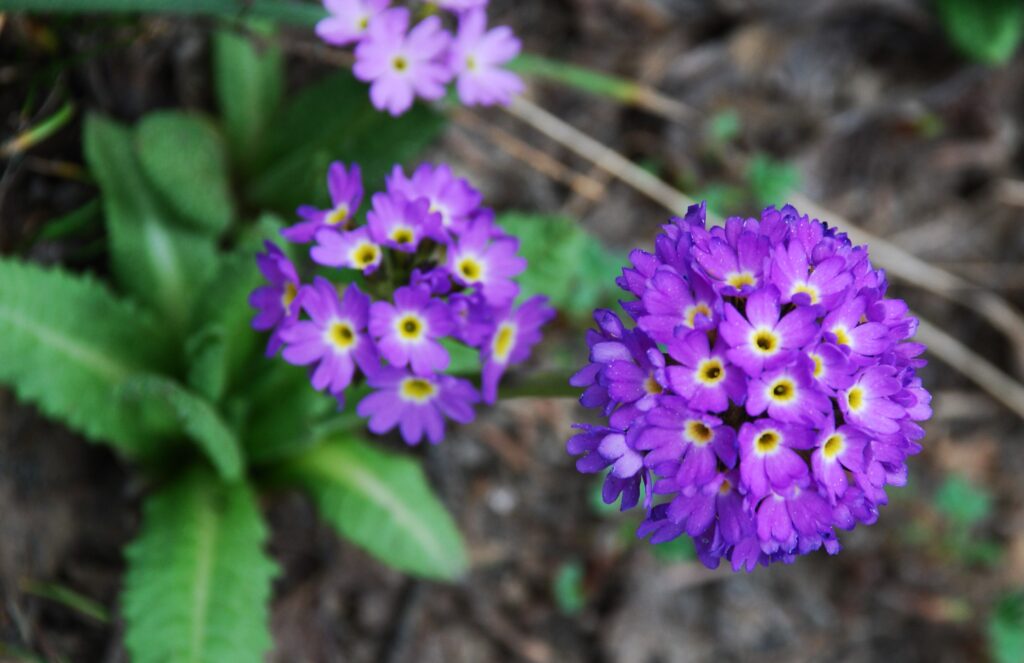
The common plants around Shimla have strong influence of Europe. This is because Shimla was set up by the British as their summer sojourn, to escape the scorching heat of Delhi. Later, Shimla (then Simla) became the official summer capital of British India during 1864. The British ladies brought many annuals and perennials from Europe into their kitchen gardens and parks as a reminder of home – the feel home syndrome. Thus, the common plants around Shimla are an admixture of both native and exotic plants. Among prominent native trees we have the cedars, horse chestnuts, walnut, Celtis, holly, box myrtle, box wood, tree rhododendron, andromeda, hill poplar, white oak and green oak. The introduced trees include the robina, sliver wattle, black wattle, chinar, bay magnolia, and willows. The shrubs commonly met are the butterfly bush, barberry, lonicera, prinsepia, silver berry, cape myrtle, hypericum, variety of raspberries, brambles, Himalayan fire thorn, spiraea, Himalayan wild rhea, tick trefoil, etc. The herbaceous flora is dominated by introductions from Europe and invasives from Central Americas and Mexico, and include, Asters, Delphinium, Erigeron, Bidens, buttercups, Impatiens, Vinca, Trifoliums, nettles, Kenilworth ivy, common saw thistle, oxalis, ox-eye daisies, perennial buckwheat, Himalayan dock, arrow leaf dock, spartium and primulas.
Help me understand some of the key features to look for when identifying different plant species ?
For a beginner, the key features to focus on include leaf shape, arrangement, feel (smooth or rough), and margins (entire, serrated or cut; stem characteristics (shape, texture, color); flower and fruit characteristics. Paying attention to these details, along with noting the time of year and any unique features like unusual odors or bark characteristics, can help narrow down the possibilities and lead towards some identification.
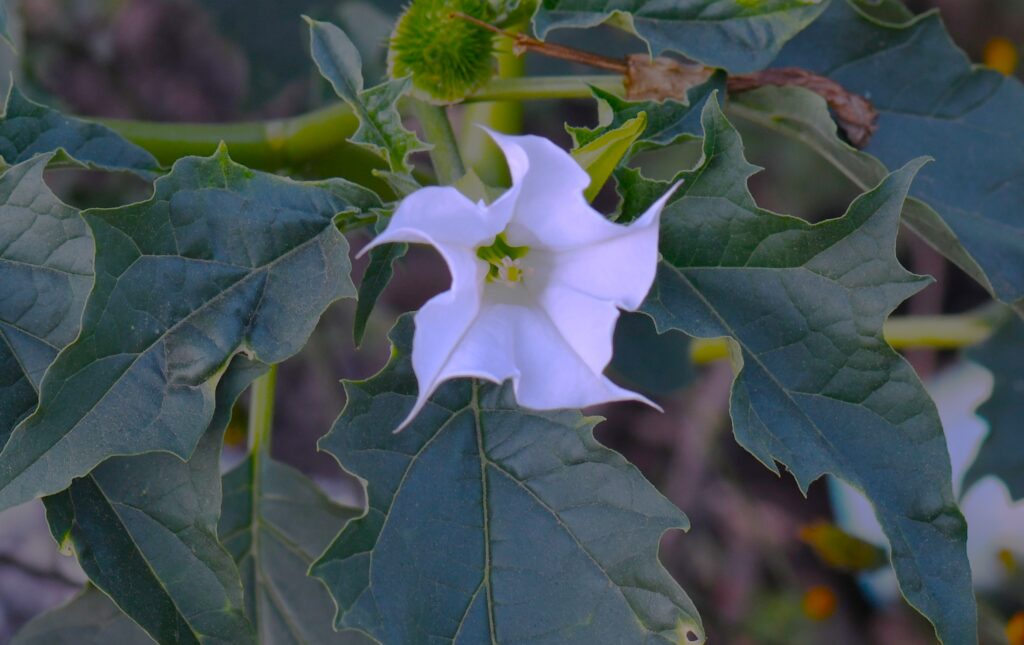
Stinging plant (nettles), plants with rough hairs (borage), resinous plants (pines and cedar), long needle pine (Roxburgh’s pine), five needle pine (Wallich’s pine or blue pine), plants bearing acorns (oaks), herbs with swollen nodes (members of Caryophyllaceae – the pencil flowers), and salver shaped flowers (Solanaceae, the deadly nightshade members – tobacco, angels trumpet, Jimson weeds).
What are the typical blooming times for various plants?
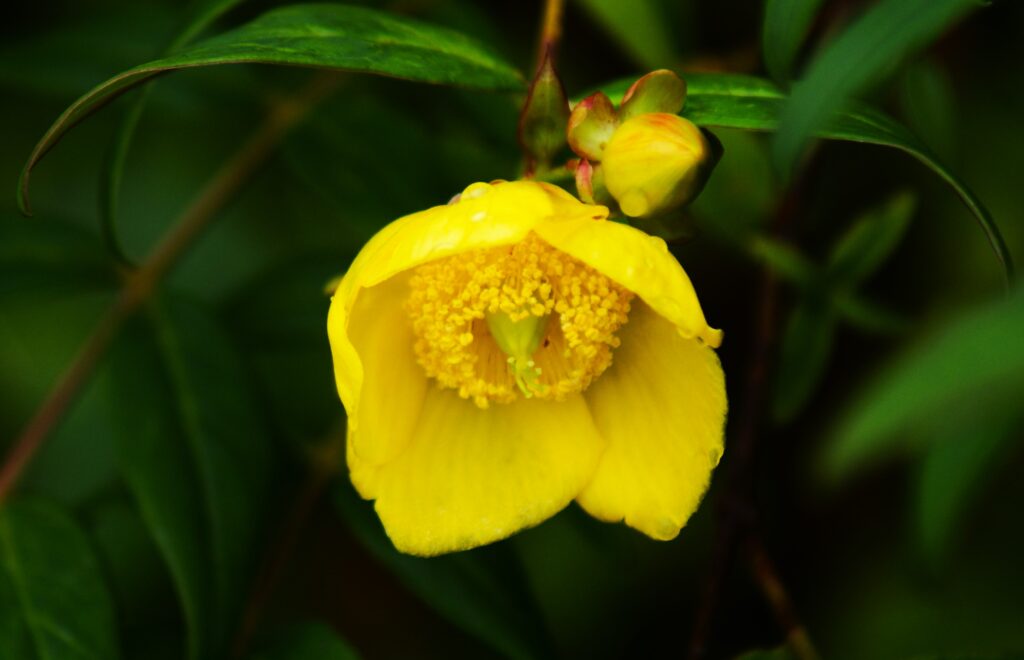
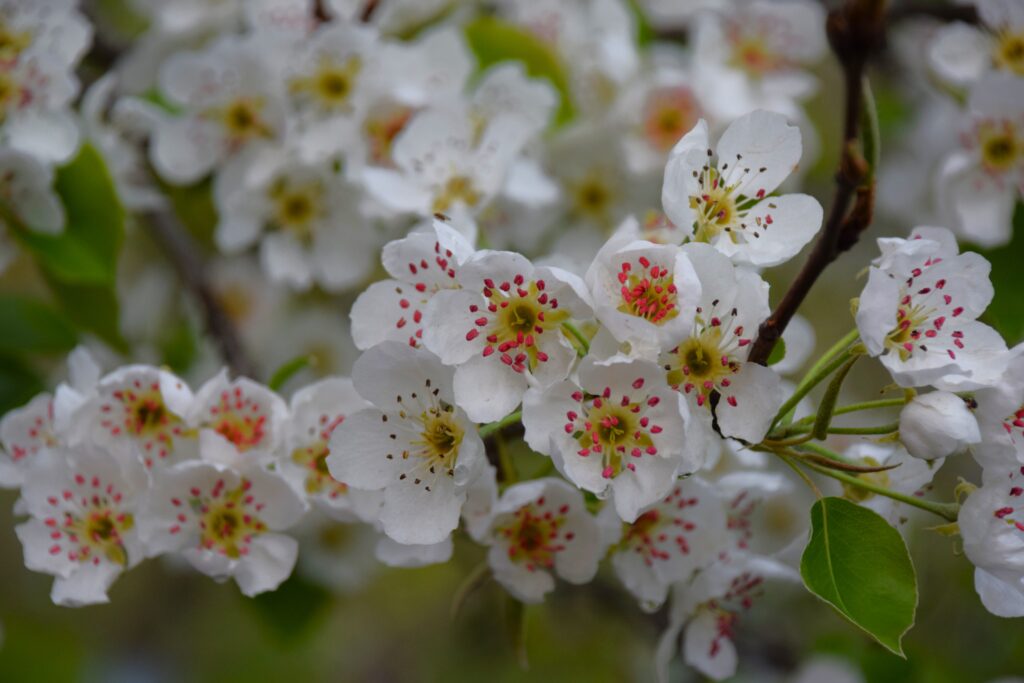
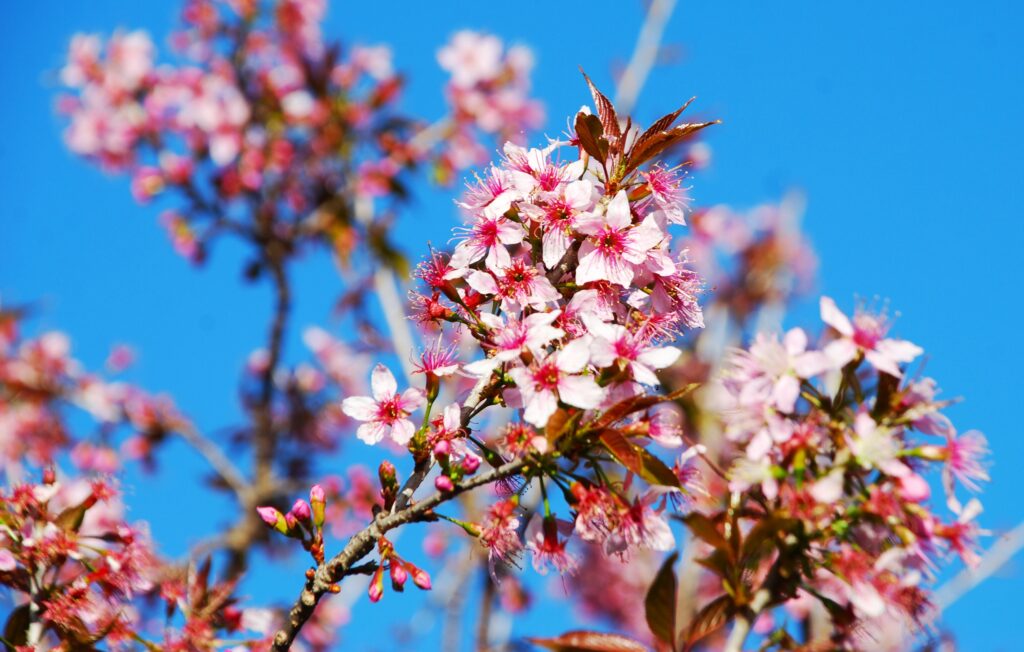
Shimla, located in the temperate zone of the main Himalayas, sees most plants bloom and flower during the spring and summer seasons. The wild cherry – Prunus cerasoides is the only flowering tree during the winters, which brightens the winter landscape with its bright pink flowers. Come February, and the tree rhododendron (Rhododendron arboreum) comes into its own, with red flowers, covering the entire trees, at most times in gregarious formations. The bright red flowers remain in the forests in and around Shimla upto late April. Spring has all annuals and perennials in flower – the St. John’s wort, yellow flax, barberry, jasmine’s, honeysuckles, butterfly bush, clematis, cotoneasters, wayfaring trees, silverberry, etc. The, prominent trees flowering includes the horse chestnut, Robinia, dogwoods, wild Himalayan pear, andromeda and the purple-veined spindle tree. Of late a number of exotic trees have been planted that normally do not belong here – notably jacaranda, silver oak, Ailanthus, black wattle and silver wattle.
Does the flora in Shimla include any plants known for their traditional or medicinal uses?
The dominant tree of Shimla is the cedar (Cedrus deodara) – the tree of the gods. It is also the state tree of Himachal Pradesh and traditionally holds religious sentiments among the local people. The tree is central to a number of myths and traditions of the people not only in Shimla but across the temperate regions of the state, where many sacred groves exist. A sacred grove of cedars, dedicated to Lord Shiva at Sipur, near Shimla, served as a cherished retreat for British families during the raj, seeking relief from Shimla’s sweltering summer heat.
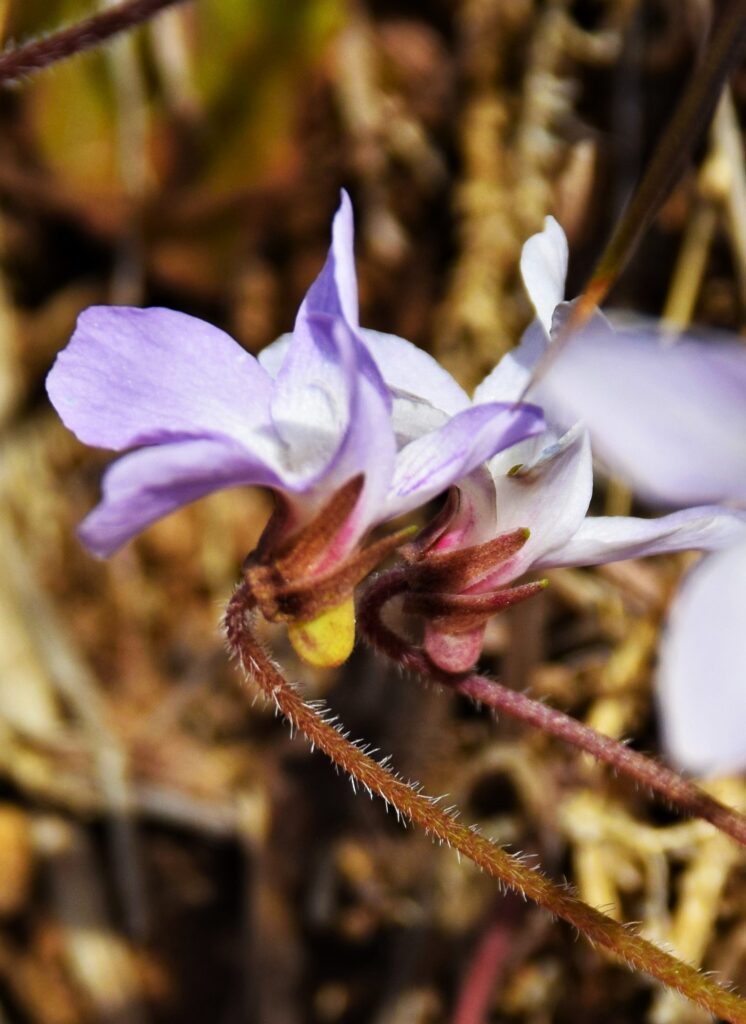
Among the medicinal plants, there are Violas (cough and colds), Artemesia (cuts), Rhododendron (dysentery, diarrhea, asthma and fever), besides a number of other herbs that find use in traditional home remedies. The fern Diplazium (vegetable fern) are used in traditional medicine and also as a food source during the summers.
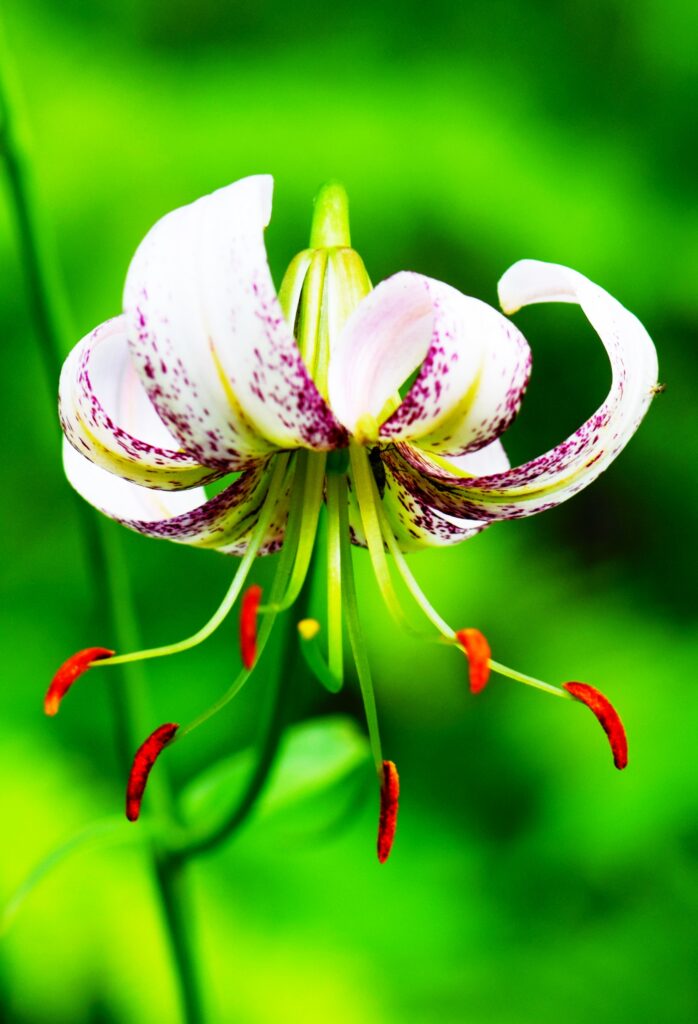
Lilium polyphyllum once common in Shimla (around the 1890s -1900) belonged to the important group of plants in Ayurveda -the Ashtavarga, which was an important ingredient of the valued Ayurvedic rejuvenation formulation the ‘Chavanprash’.
Sometimes a flower or plants looks attractive but can be dangerous and poisonous. Should I be aware of any of those?
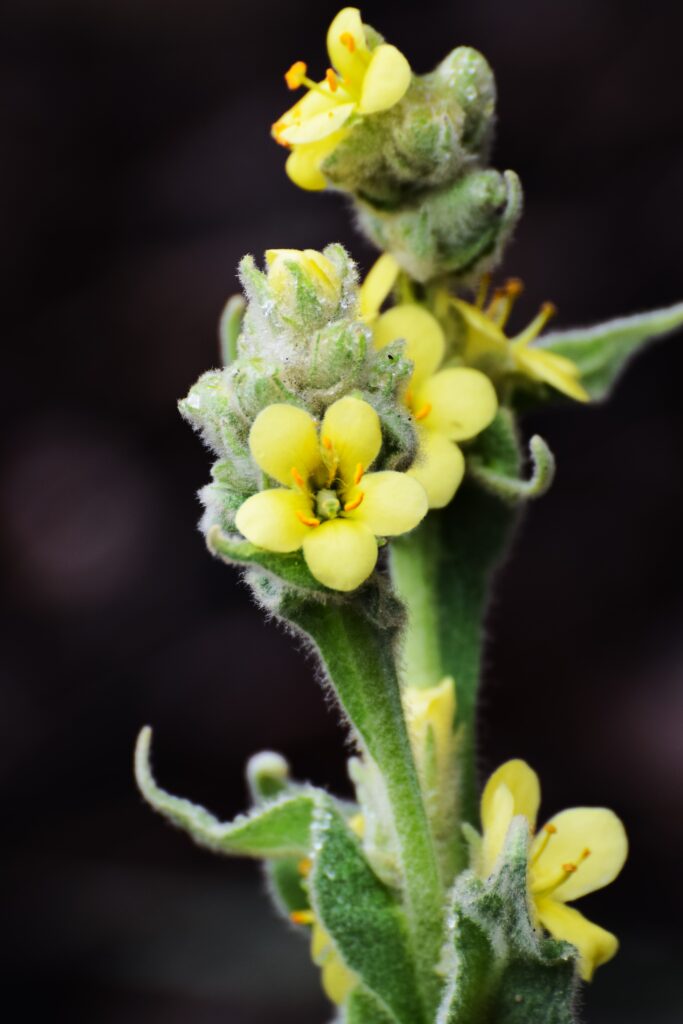
In general, very few plants here in Shimla are dangerous or poisonous. Some introduced ornamentals and exotic weeds here do possess toxic compounds that can be harmful. Congress grass, bilygoat weed, floss flower, oleander, wild spurge and the Jimson weed are considered poisonous plants. The Bracken fern is also responsible for poisoning livestock. The avenue tree silver oak, introduced here also has health issues with its inflorescence and seed – that contain toxic compounds like hydrogen cyanide. Jimson weed, cestrum, mullein, and wild tobacco plants belonging to the Solanaceae (nightshade) family contain hallucinogens, known for having psychoactive compounds, which can produce hallucinogenic effects.
Walk me through if there are any unique or unusual plants in this region?
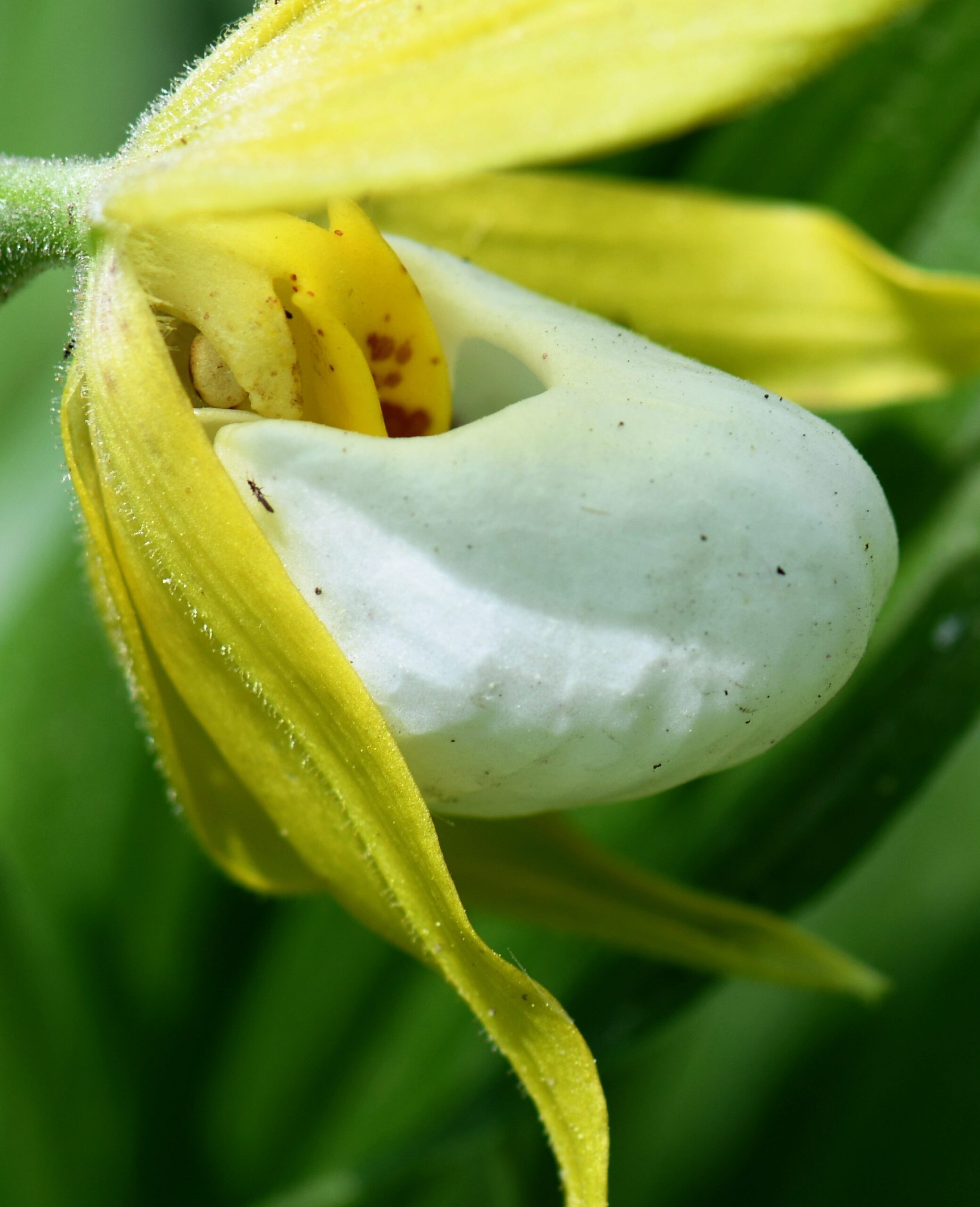
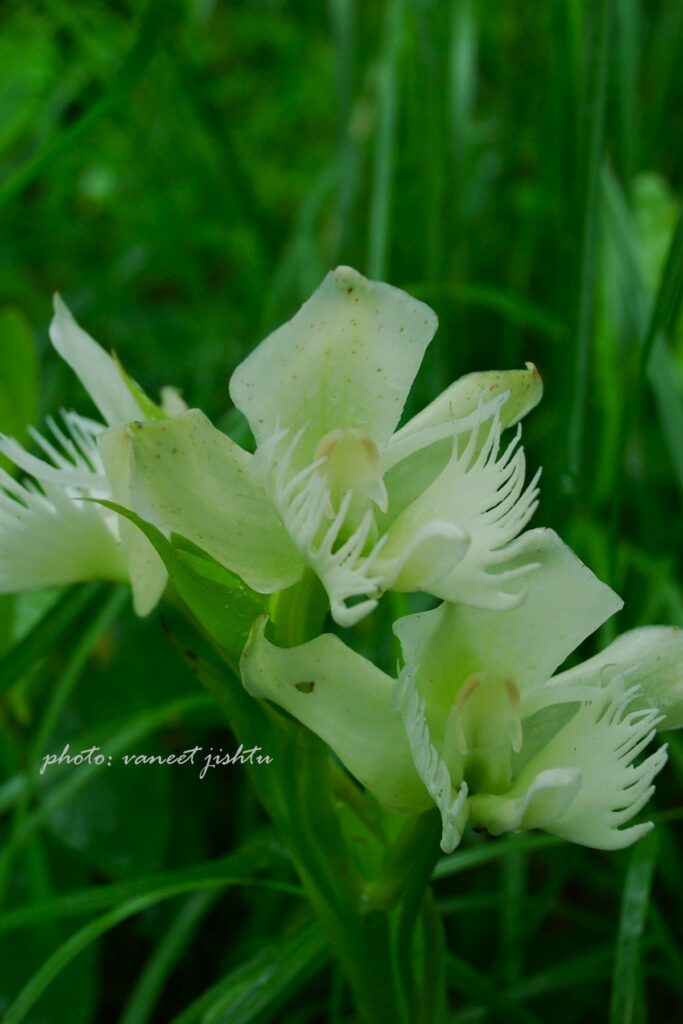
Flora of Shimla had numerous unique plants around a century ago, when Henry Collet published Flora Simlensis (1902). Lilium polyphyllum (important ingredient of Ashtavarga) was reported as common under cedars, but sadly now not a single individual has been sighted over the past few decades. A large number of terrestrial orchids are found around Shimla during monsoon months. The heart shaped lady’s slipper orchid (Cypripedium cordigerum) is very rare among these orchids, restricted to few individuals in some moist pockets. Another unique orchid once found on the BCS spur was lady Suzane’s orchid – Pecteilis gigantea. Today, its habitat has been disturbed with concrete buildings packed on that particular spur.
Besides, Shimla does boast of individuals of some unusual plants like the maiden hair tree, English oak, Japanese cedar, Chinese fir, large-leaved linden, European beech and the tulip tree, that do not belong here in this habitat, but were introduced by the British.
I want to know the different habitats where plants thrive in this area?
The southern aspect has chir pine and white oak, with the tree rhododendron and its cousin the andromeda. The blue pine is an opportunistic element that comes up in any open spaces in this aspect.
Towards the northern aspect the habitat is more moist laden and shaded. It thus harbors moisture loving species like the Himalayan cedar, horse chestnut, green oak, Himalayan poplar, large-leafed dogwood, along with the mosses and lichens putting rich bright greens during the monsoons. These trees have the Himalayan woodbine and Himalayan ivy climbing up these trees, especially the cedars. The undergrowth has sweet box, Indian paper plant, western Himalayan Skimmia and a good number of terrestrial orchids during the monsoons. The roadsides are dominated by wild potato (escape from the potato research institute) while the degraded slopes are covered with wild rhea (Debregeasia) and black jacks (Bidens pilosa).
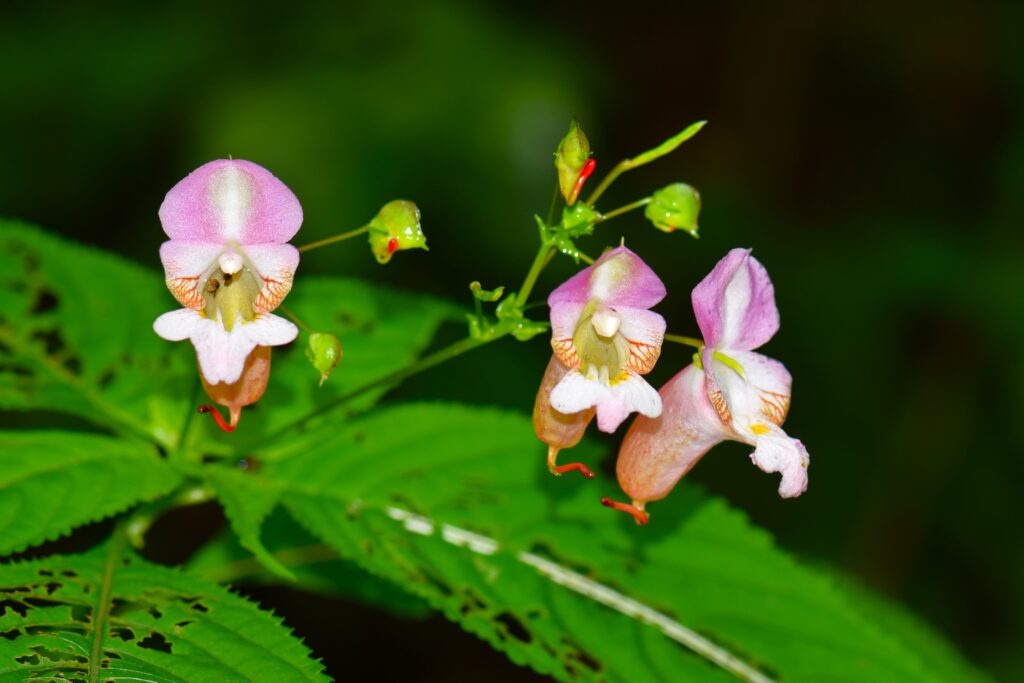
However, as of today the habitats for plant growth in and around Shimla stand highly degraded, providing the non-native invasive species colonizing the landscape at an alarming rate. The shaded forest area in the northern aspect being covered with periwinkle, while the moist stream sides being clogged with balsams.
Talk to me about any local conservation efforts focused on protecting the flora and fauna in Shimla?
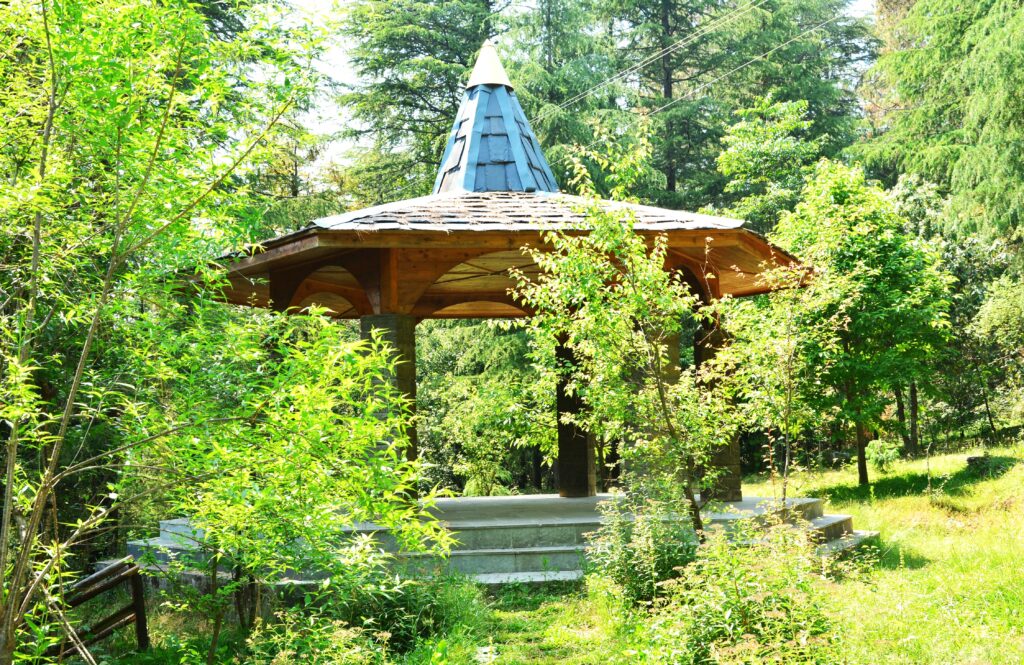
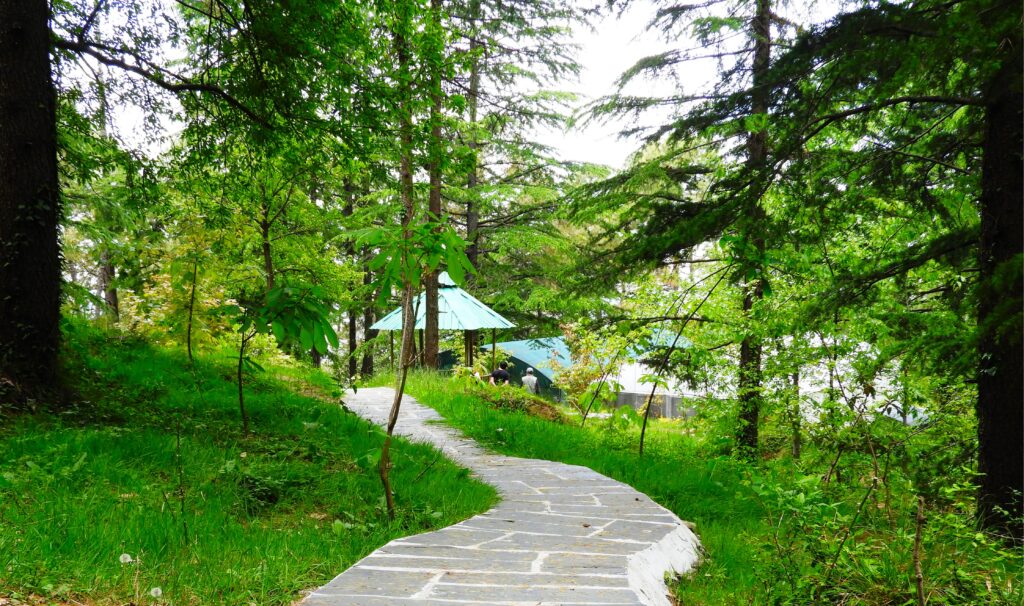
The world is self-centered – too busy with their daily lives, with little or no interest in conserving or protecting wild life – both flora and fauna. The forests in and around Shimla have been subjected to neglect and show visible signs of habitat degradation. During the fag end of the first decade of this century, a concerned senior forest officer, Mr. Vinay Tandon then PCCF – cum Chief Wildlife Warden (HP Forest) came up with the idea of a temperate arboretum for conserving the native arboreal flora of the western Himalaya. I was made the Scientist in charge for establishing the “Western Himalayan Temperate Arboretum” at Potter’s Hill, near Shimla town. This arboretum is showing great promise for native plant conservation, research and education in the future, but only if the support from the government continues.
Finally, How has fatherhood changed you as a person?
This is a beautiful and deep question—one that is close to the heart. It talks about the added responsibility, and the change that follows. I have two lovely daughters, Pearl (26) and Zeenab (19) and fatherhood has profoundly changed me as a person—especially in emotional context. While every father’s journey is unique, raising two lovely daughters changed me as a person. Raising girls can open your eyes to how the world treats the fairer sex. There’s often a unique protectiveness that comes with fathering daughters — but it also made me realize that true love means equipping them to stand strong, and not keep them in a bubble. The role of my lovely wife, Sandhya goes a long way in my journey as a father, without her ardent support it would not have been possible for me to raise them.

Shimla flora comes alive …. very nice , insightful and informative interview about plants of Shimla hills. It is worrying that many beautiful and useful plants are getting rarer in this landscape. Western Himalayan Temperate Arboretum at Potter’s Hill, Shimla is sure a one off effort at conserving trees and other woody flora of the region. Mr. Vinay Tandon and Dr. Vaneet Jishtu deserve three cheers for conceptualising, facilitating, and developing this conservatory. Since the threat to the plants is continuing, and at a pace which is becoming aggressive with every passing day, I would have liked the interview to touch upon the threats to the flora, and citizens’ responsibility towards its conservation . Great interview Vaneet…. Congratulations!
Simple, beautiful article on the plant world of Shimla. While reading I felt as though I am there…..
It captures ones attentiom to get involved in plant world. Good for nature and plant enthusiasts.
Shimla landscape is so delicate, precarious. It houses innumerable economically and medically important plant resources. Along with this write up readers would have got enriched if threatened flora , fauna and their inter dependency, their population threats was mentioned with one or two analogies. This is to sensitise people towards their immediate environment and act accordingly for management of Natural resources.
Best wishes
My goodness, the amount of beautiful flora is just incredible! So many gorgeous colors and shapes! Thanks for this great guide!
This is beautifully described! Shimla’s flora truly sounds breathtaking the mix of towering cedars, colorful rhododendrons, and fruit trees really highlights how rich and balanced the ecosystem is. Nature at its finest!