
Bursa Turkey: Exploring the Ottoman Capital, Grand Mosque & Bazaars
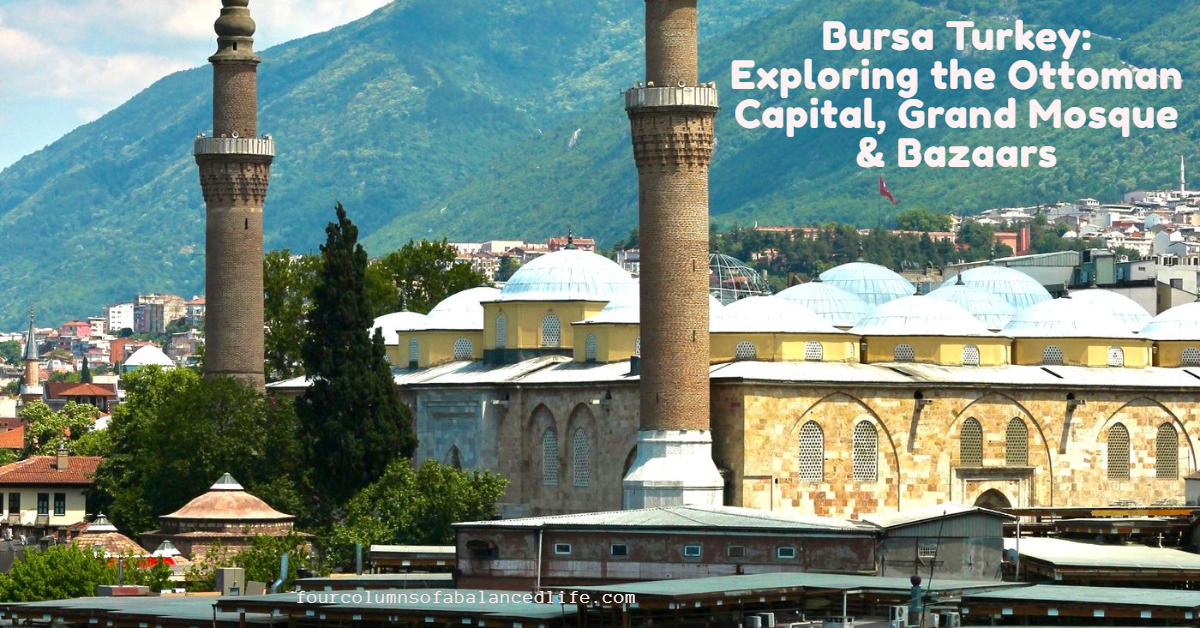
Our tour of Turkey was coming to an end, and our final stop was Bursa, a city with a fascinating place in the country’s history. Before Istanbul became the magnificent Ottoman capital we know today, Bursa held that title. Captured by the Ottomans in 1326, Bursa became the first capital of the Ottoman Empire and an important center of administration, religion, culture and trade.
Bursa felt like an appropriate place to finish. It offered another chapter of Ottoman history, but it also gave us the chance to experience the city’s mosques, royal tombs, historic markets and famous silk shopping.
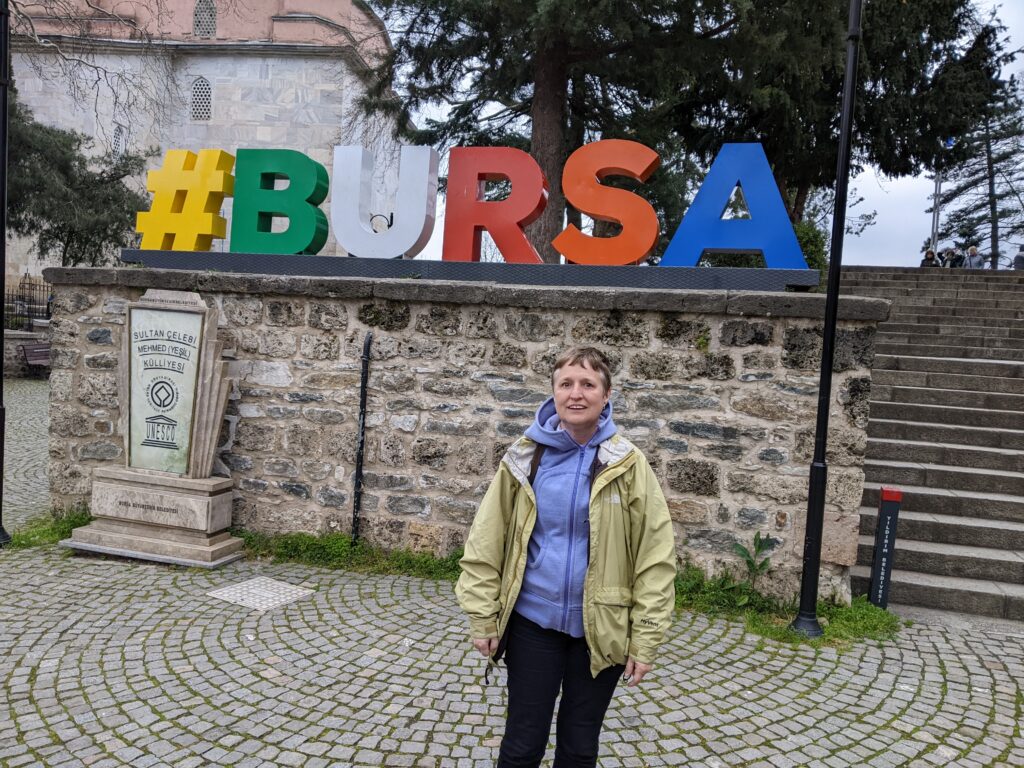
Ulu Cami: Bursa’s Magnificent Grand Mosque
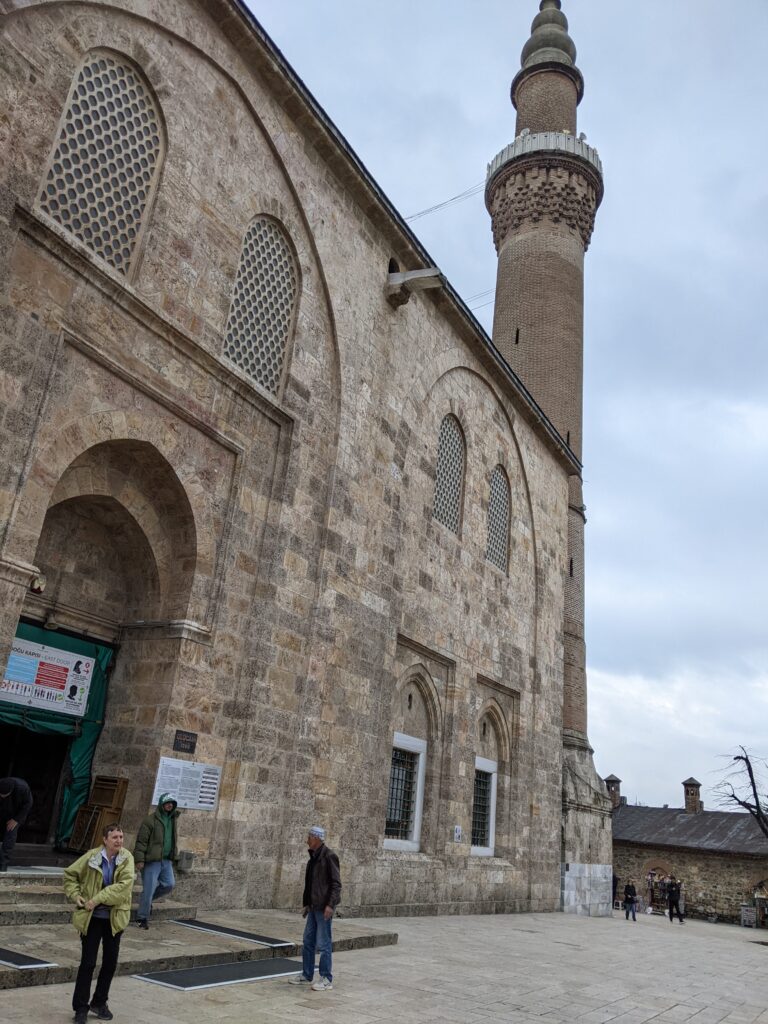
One of the highlights of Bursa is the magnificent Ulu Cami, or Grand Mosque, located in the center of the historic city.
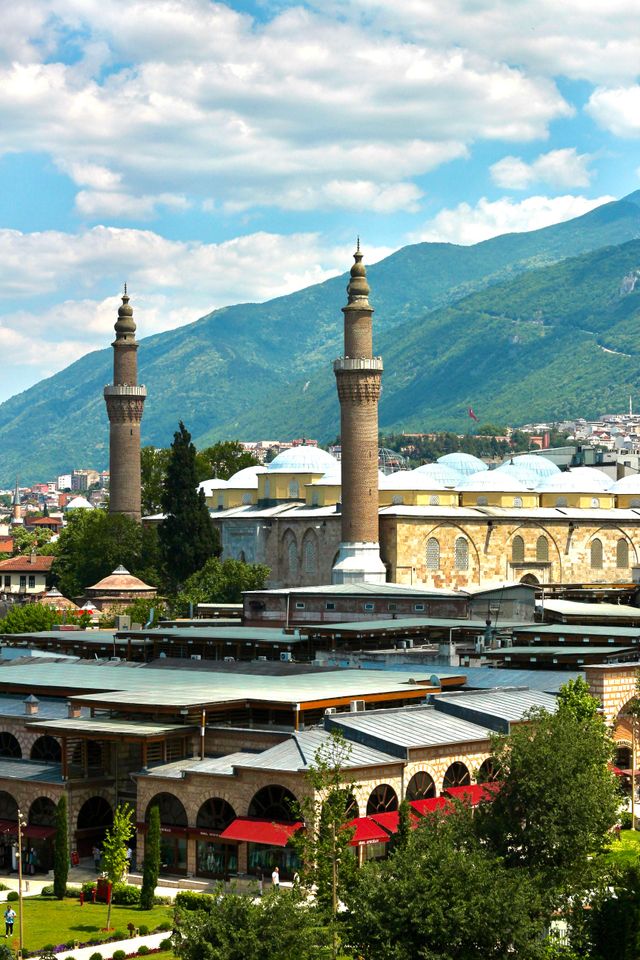
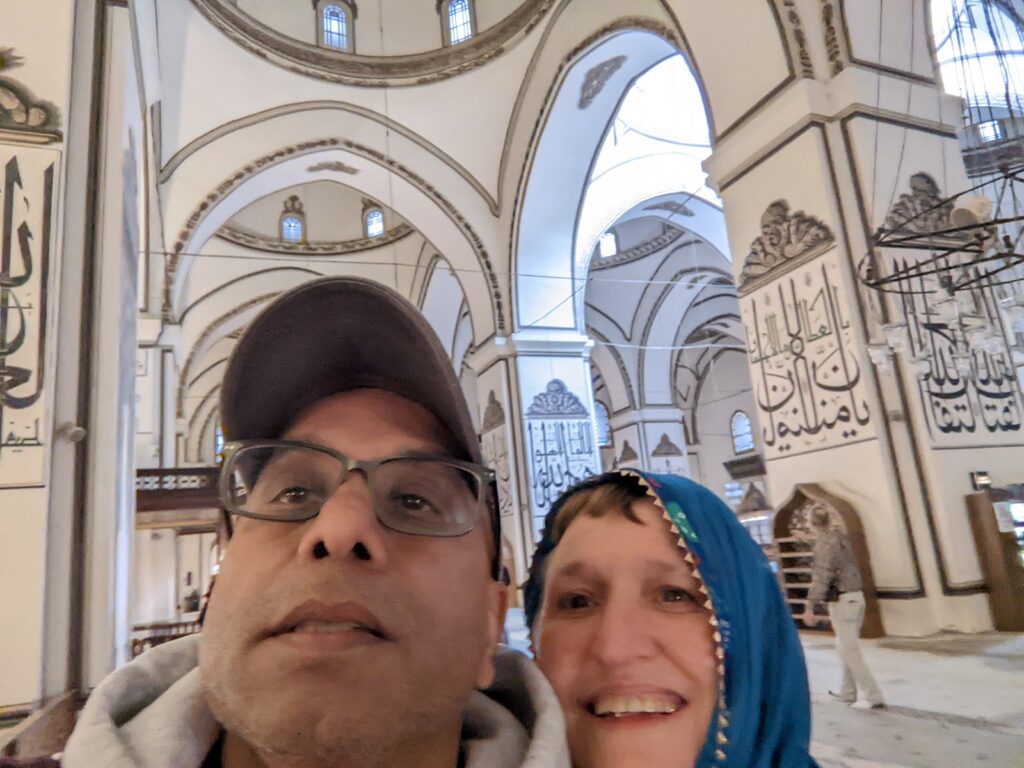
Built during the reign of Sultan Bayezid I and completed around 1400, Ulu Cami is one of the most important examples of early Ottoman architecture. Its twenty domes give the building an impressive presence, but stepping inside reveals an interior that is even more captivating.
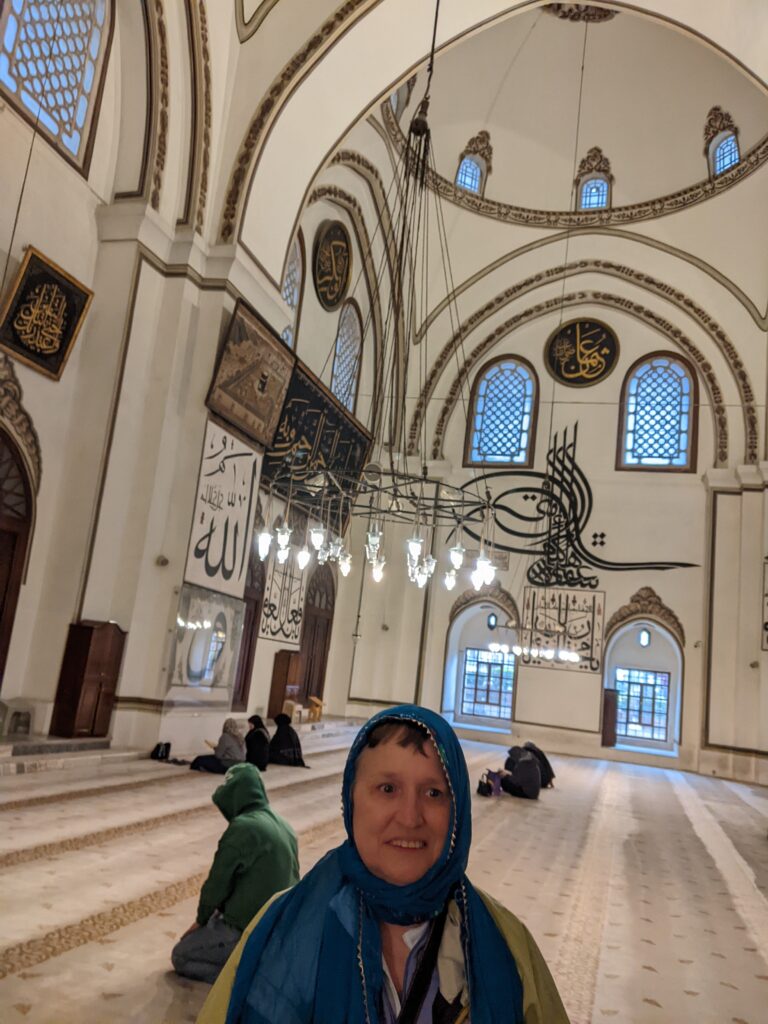
The vast prayer hall is filled with arches, pillars and beautiful Islamic calligraphy. Rather than being overwhelmed by decoration, the building has a sense of balance and serenity. One of its most unusual features is the fountain beneath the central dome, bringing water into the heart of the mosque.
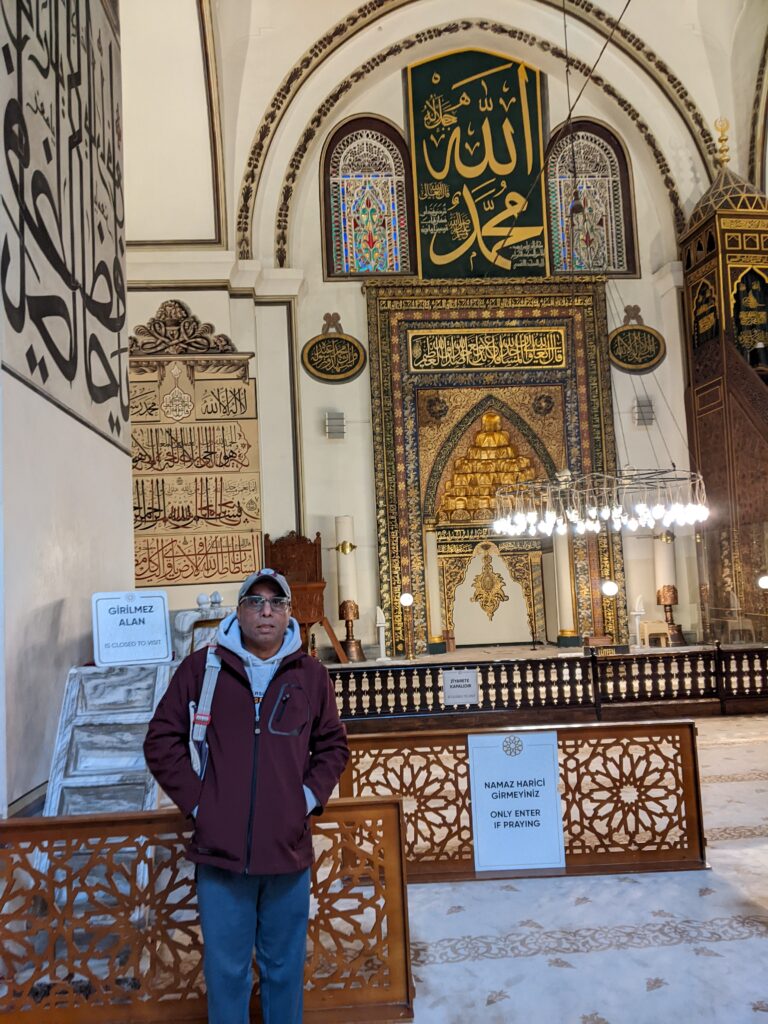
The calligraphy throughout the mosque deserves time and attention. Large inscriptions decorate the walls and pillars, creating an extraordinary collection of Islamic art.
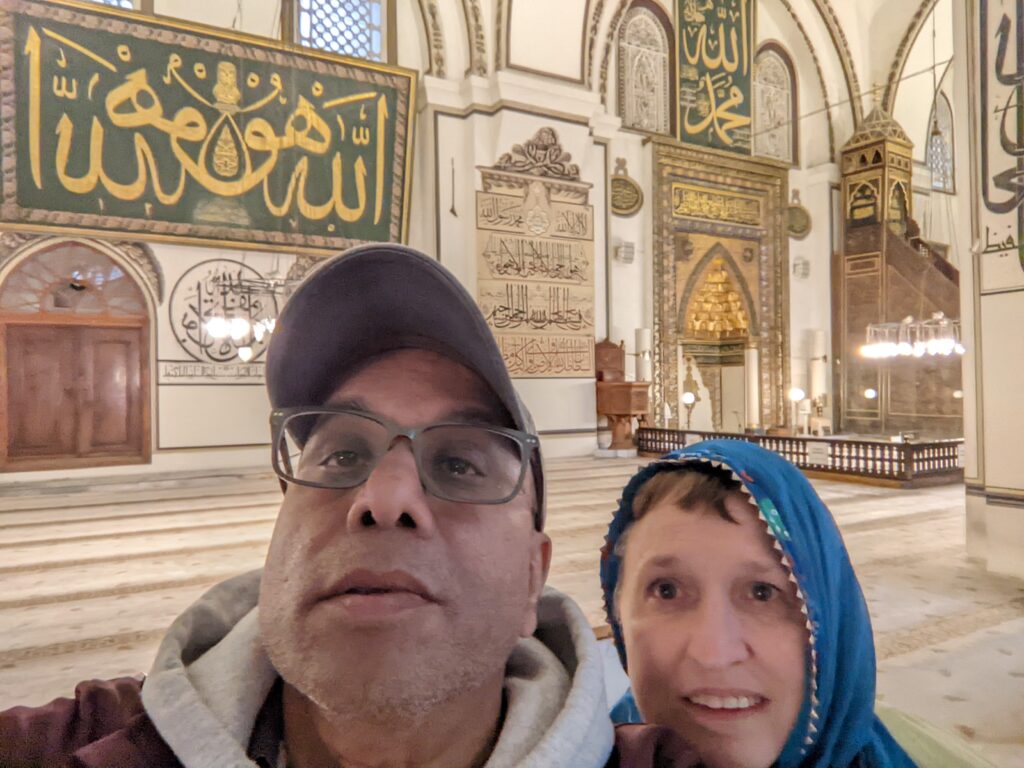
Standing inside Ulu Cami, it is difficult not to think about how many generations have passed through this space. This was not simply a historic building created for tourists to admire. It was, and remains, a place of worship and an important part of Bursa’s spiritual identity.
And just outside the mosque, another side of Bursa begins to unfold.
Bursa’s Historic Bazaar and Koza Han
Leaving Ulu Cami takes you almost immediately into Bursa’s historic commercial district. This is where the city’s past as a major trading center becomes especially visible.
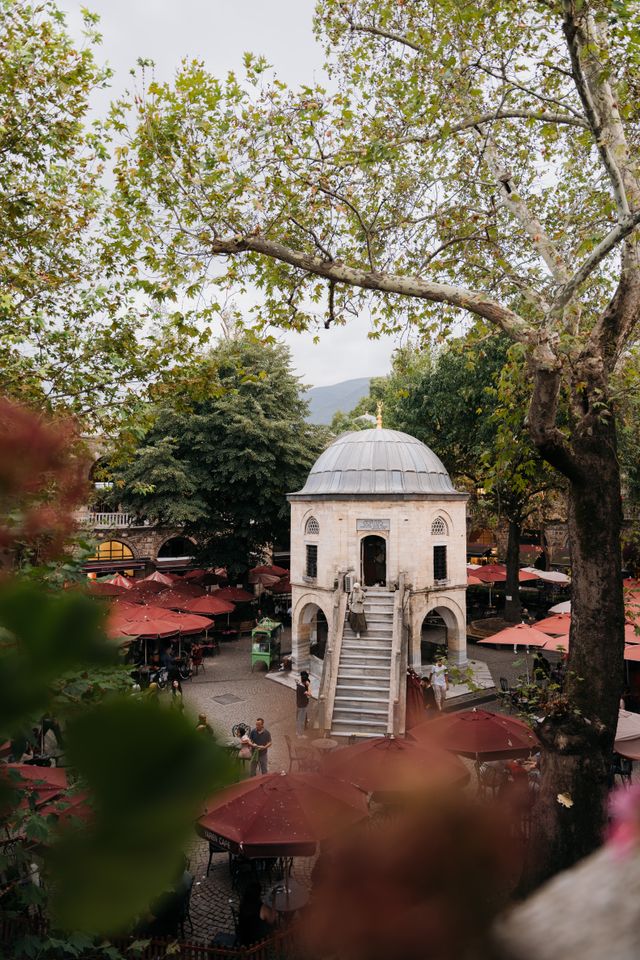
For centuries, Bursa was an important stop along trade routes between Asia and Europe. The city became particularly famous for silk, and its historic Hans and bazaars developed around merchants, craftsmen and traders.
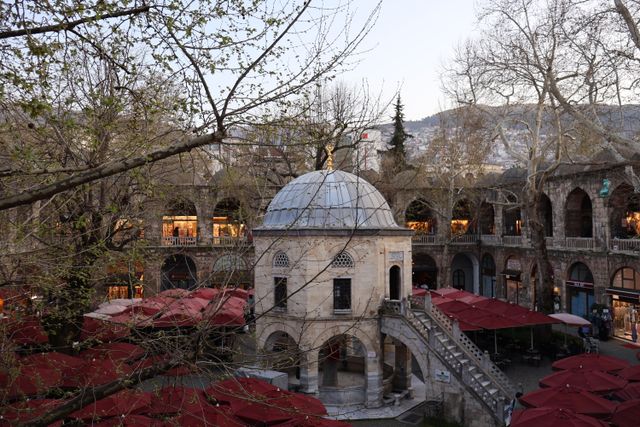
One of the most beautiful examples is Koza Han.
Built in the late fifteenth century during the reign of Sultan Bayezid II, Koza Han became an important centre for the silk trade. Its name is associated with silk cocoons, reflecting Bursa’s long connection with silk production and commerce.
Walking through the entrance into the courtyard is a wonderful experience. The historic building surrounds a peaceful open space where visitors can sit, enjoy Turkish tea and watch shoppers moving between the stores.
The shops are filled with silk scarves, fabrics, clothing, textiles and souvenirs. Even if you arrive intending only to look, it can be surprisingly difficult to leave without buying something.
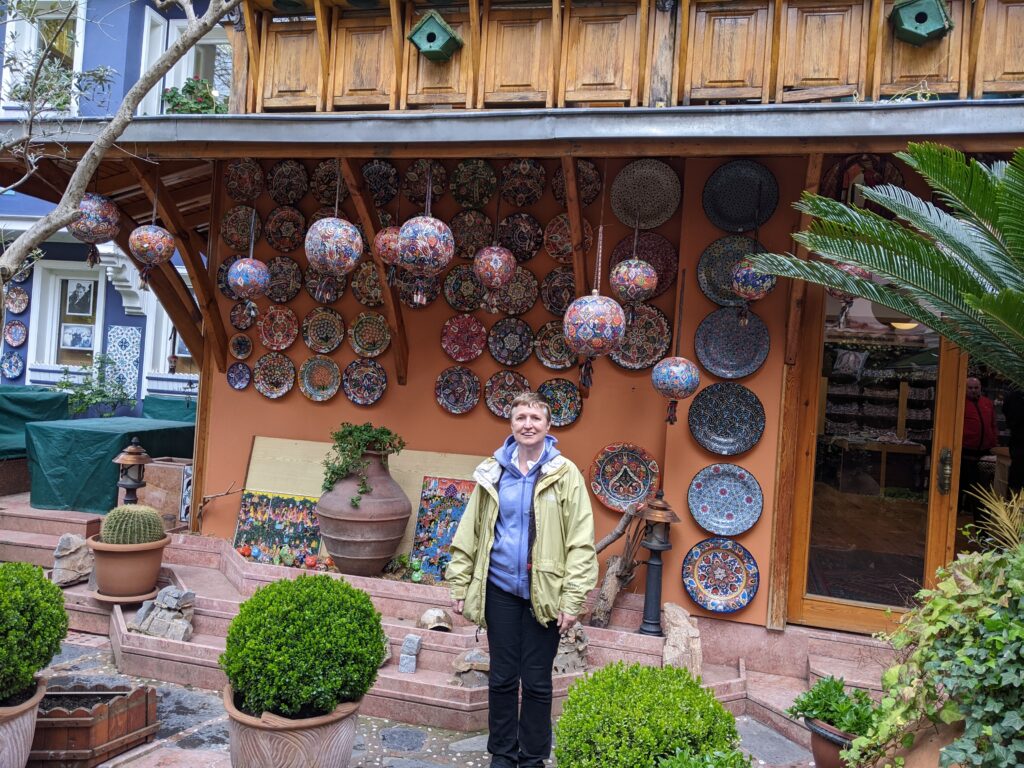
There is something special about shopping in a place that has been connected to trade for centuries. The products may have changed, but the basic rhythm remains the same: merchants displaying their goods, visitors browsing, conversations taking place and people enjoying the atmosphere.
The Green Tomb
But Bursa’s Ottoman story goes much deeper than shopping and architecture.
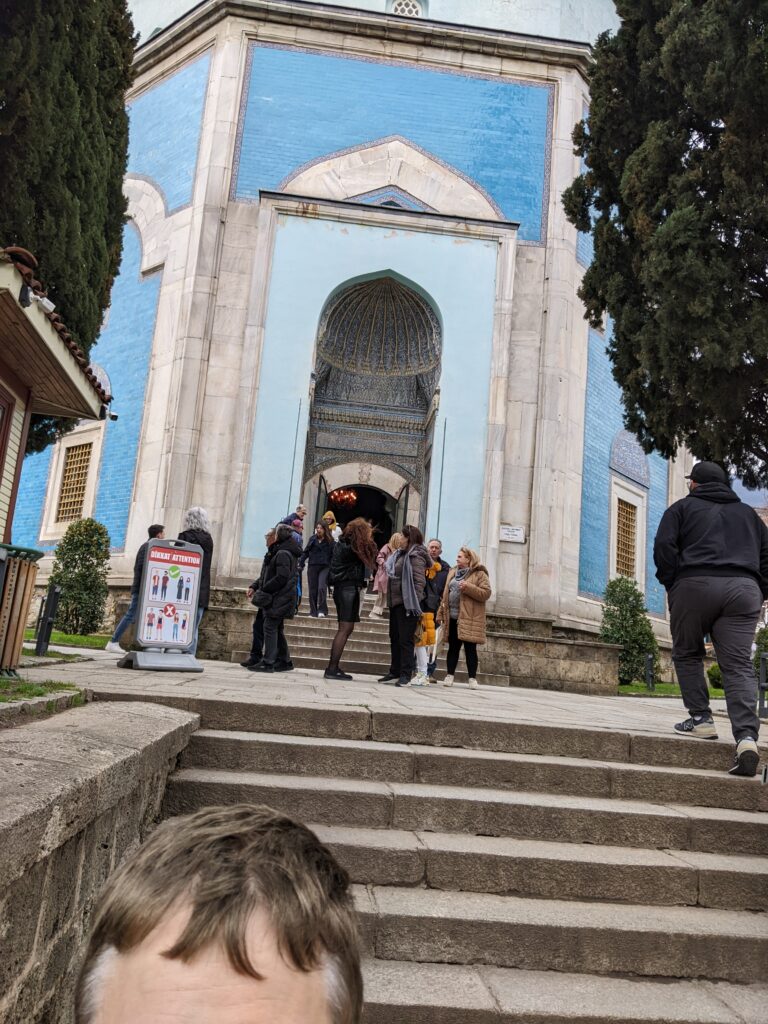
One of the most beautiful and significant monuments in the city is the Green Tomb, or Yeşil Türbe. Located near the Green Mosque, this magnificent mausoleum is the final resting place of Sultan Mehmed I, also known as Çelebi Mehmed.
Mehmed I played a crucial role in rebuilding the Ottoman state following a period of internal conflict. His tomb was commissioned after his death in 1421 and became one of Bursa’s most distinctive landmarks.
The Green Tomb gets its name from the striking green and turquoise tiles that decorate the exterior and interior. The building is elegant, relatively compact and richly decorated, making it very different in character from the enormous Ulu Cami.
Inside, the tiled decoration is particularly impressive. The colors and intricate patterns immediately draw the eye, while the atmosphere is quiet and contemplative.
It is also a place that reminds visitors that Bursa was not simply an Ottoman administrative center. It became a spiritual home for the early Ottoman dynasty.
Standing before the tomb, you are looking at the resting place of one of the rulers who helped shape the empire during its formative years.
The Tombs of the Ottoman Sultans
Bursa is sometimes described as the city where the Ottoman Empire began, and nowhere is that connection more powerful than in its royal tombs.
The Muradiye Complex, also known as the Muradiye Tombs, contains the mausoleums of several members of the Ottoman dynasty. The complex was established by Sultan Murad II, whose own tomb is located here.
Walking among the tombs offers a very different experience from visiting a grand mosque or busy bazaar. The atmosphere is peaceful, with gardens, trees and historic Ottoman architecture surrounding the mausoleums.
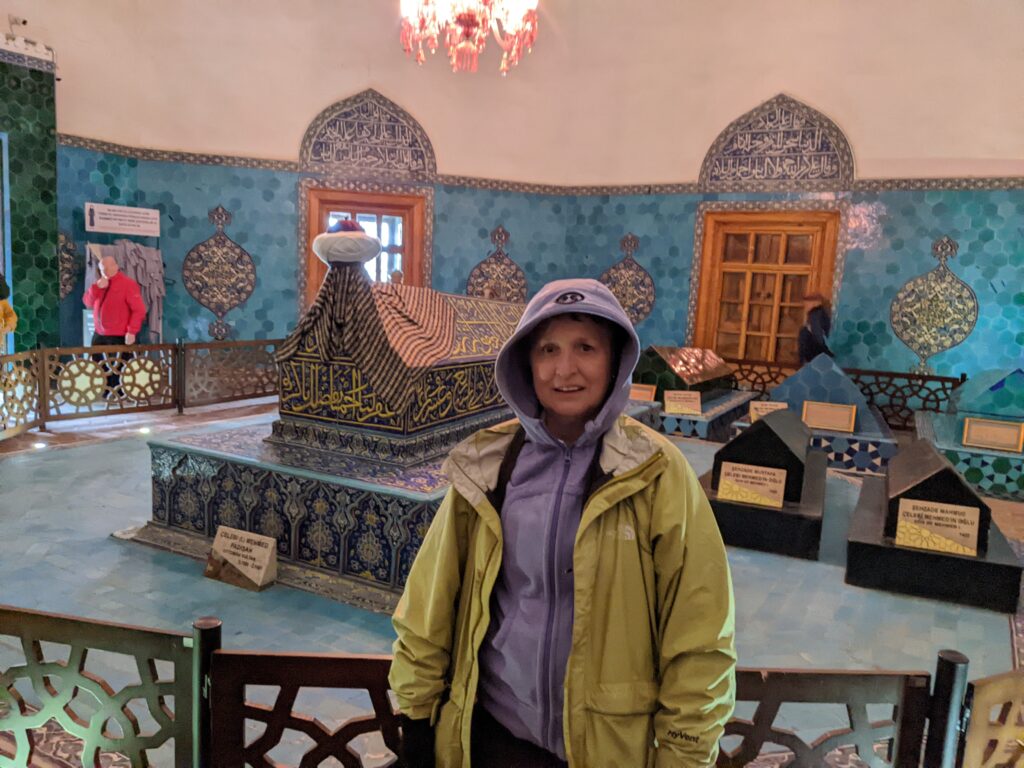
The tombs belong not only to sultans but also to princes, princesses and other members of the Ottoman royal family. Together, they provide a fascinating glimpse into the dynasty’s history.
There is something quite moving about seeing the final resting places of rulers whose names are so closely associated with the rise of the Ottoman Empire.
Bursa therefore feels almost like a bridge between the early Ottoman state and the great empire that would eventually rule from Istanbul.
The city allows you to see the beginnings of that story before visiting the later imperial grandeur associated with Istanbul.
A City of Mosques, Markets and Memories
What makes Bursa so interesting is the way these different pieces of history fit together. You can begin the day standing beneath the twenty domes of Ulu Cami, walk through the bustling bazaar, drink tea in the courtyard of Koza Han, admire the beautiful tiles of the Green Tomb and then visit the quiet mausoleums of Ottoman rulers.
Each place tells a different part of Bursa’s story. The mosques tell us about faith and architecture. The tombs tell us about the Ottoman dynasty. The bazaars tell us about trade and craftsmanship.
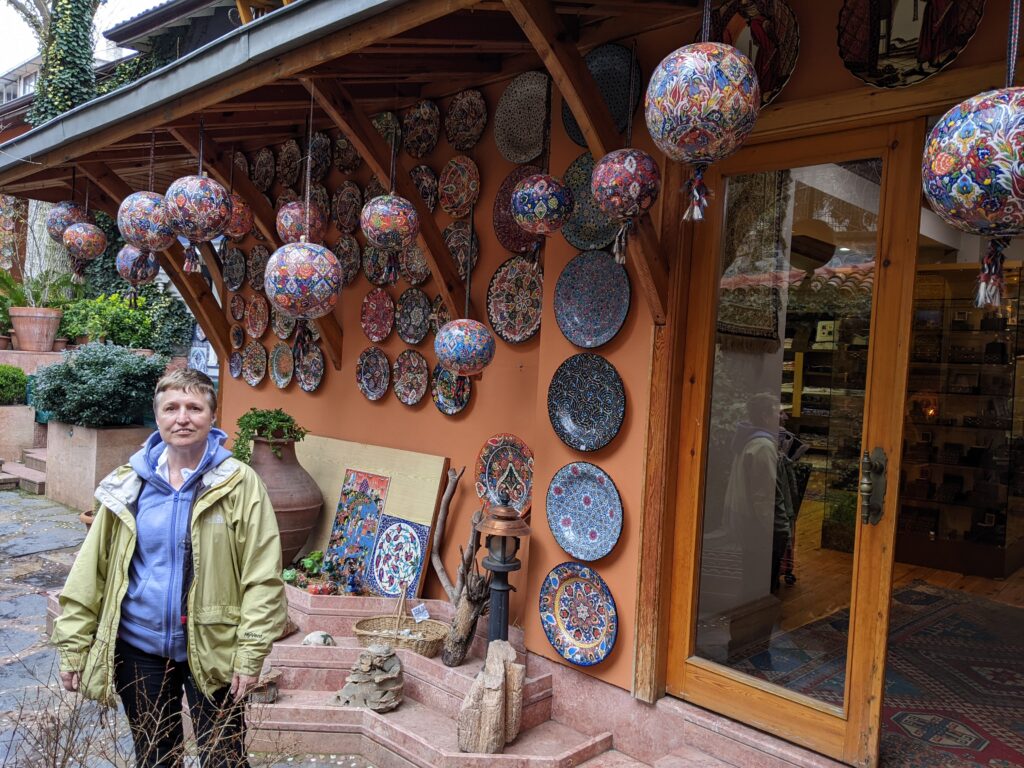
The silk shops tell us about Bursa’s economic importance.
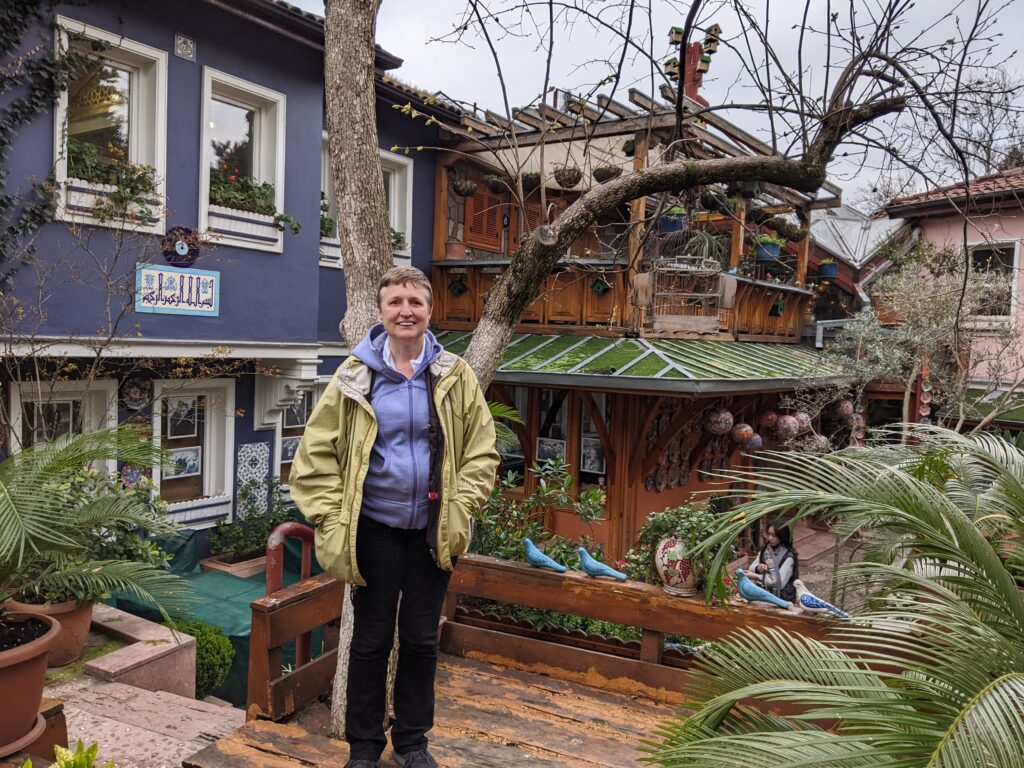
And the streets connecting them all tell us that this history continues to be part of the living city.
Our Final Taste of Bursa
As our Turkish tour came to an end, Bursa gave us a final opportunity to slow down and take in the layers of history we had encountered throughout the country.
It was fitting that our journey ended in a city that once stood at the center of the Ottoman world.
Istanbul may have become the empire’s great capital, but Bursa remains deeply connected to its beginnings. The early Ottoman sultans built their mosques here, established their religious complexes here and were laid to rest here.
And then there is the shopping. After all the history, there is something wonderfully enjoyable about wandering through the bazaars and Koza Han, looking at silk, textiles, jewelry and traditional Turkish goods. It brings the past and present together in a way that feels completely natural.
Perhaps that is what I will remember most about Bursa. It did not feel like a city where we were simply visiting historical monuments. It felt like we were walking through a living piece of Turkish history.
What a cool place to explore. The architecture looks amazing, and I would love some of those pieces with the intricate designs. Turkey sounds so interesting and unique.
I love the views and the architecture. There’s so much history and culture there, as well. What an amazing place to visit!
Oh, wow. Where to begin? I love the architecutre with the towers and roofs. The landscape is gorgeous, too. I would love to take an extended trip there.
What an incredible place to explore! I loved learning about Bursa’s connection to Ottoman history, but the Grand Mosque and Koza Han really caught my attention. I can only imagine how beautiful it must be to walk through those historic bazaars and see all the silk shops. Definitely a city filled with history, culture, and so much to experience!
Beautiful. I’d love to check out the bazaar. Turkey has the prettiest things. I just love their rugs.
I loved looking at your photos. I may never travel to here but I felt like I was there.
Bursa looks stunning. I’m planning my first trip to Turkey, and I hope I can visit this city.
Bursa sounds like a wonderful place to end a trip through Turkey. I would love to see Ulu Cami and all the beautiful calligraphy inside!
I’ve always wanted to visit Turkey. There’s lots of good history there and I love history. Thanks for the great pictures and stories.
The fountain under Ulu Cami’s central dome and tea in Koza Han’s courtyard are the scenes that make Bursa more than a footnote to Istanbul. First Ottoman capital, and it still feels lived-in.
I am glad that you enjoyed visiting every spot in that place. Bursa, Turkey, is definitely a beautiful place to visit!
As a Turkish reader, it’s lovely to see Bursa through your eyes. You’ve captured that feeling of walking through living history beautifully.
Bursa looks like an amazingly cool place to explore! I love the history. Thanks for sharing this experience!
Walking around Koza Han and seeing all the beautifully coloured silk scarves and souvenirs in the surrounding shops must have been a lovely experience. Visiting somewhere with so much history can be so interesting and I find that walking around exploring can be half the fun!!! It sounds like you chose a great place to visit.
There’s something about places like Bursa that makes me want to slow down and look a little closer. I’d love to know what the large inscriptions mean and understand more about the stories and symbolism behind the beautiful designs.
And of course, I’m already looking forward to exploring the local bazaars. I love bringing home little finds that feel unique to the place, so I’m hoping Bursa has a few treasures waiting for me.
The sights of Turkey look absolutely amazing! I’ve always wanted to visit. It looks like such a beautiful place with so much history and culture. Definitely on my travel wish list!