
Pamukkale and Hierapolis: Exploring the Ancient Thermal Spa of Türkiye
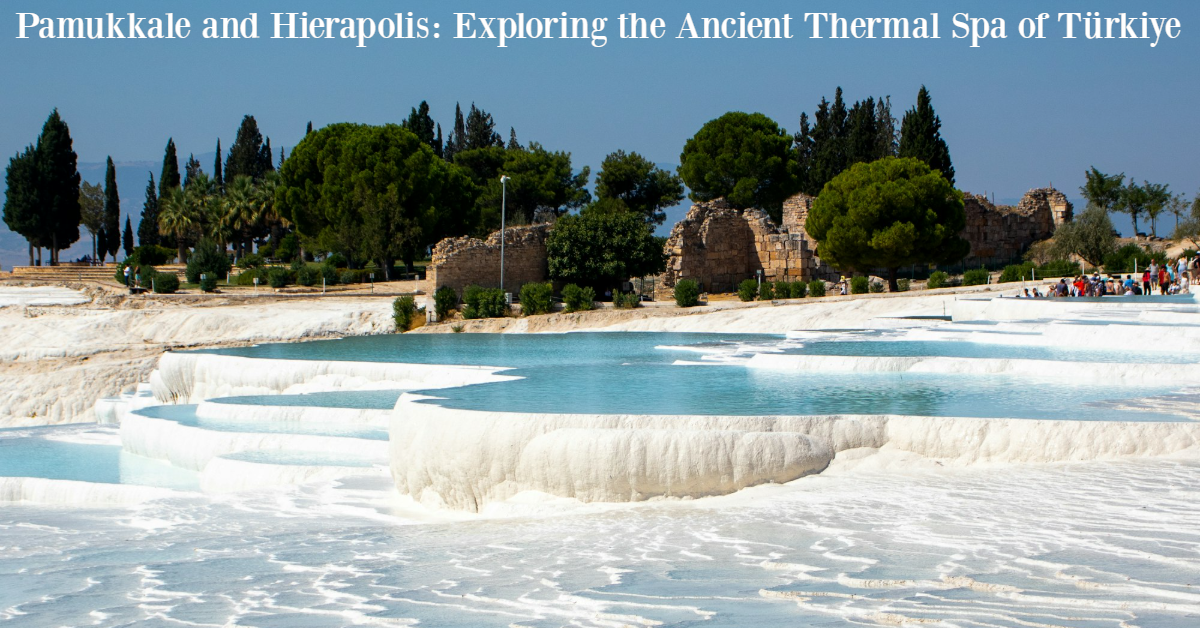
Some places leave you with beautiful photographs, and others leave you with a profound appreciation for history. Pamukkale and Hierapolis are firmly in the second category. Visiting this UNESCO World Heritage Site in southwestern Türkiye was like stepping into a living history book where natural beauty and ancient civilization come together spectacularly.
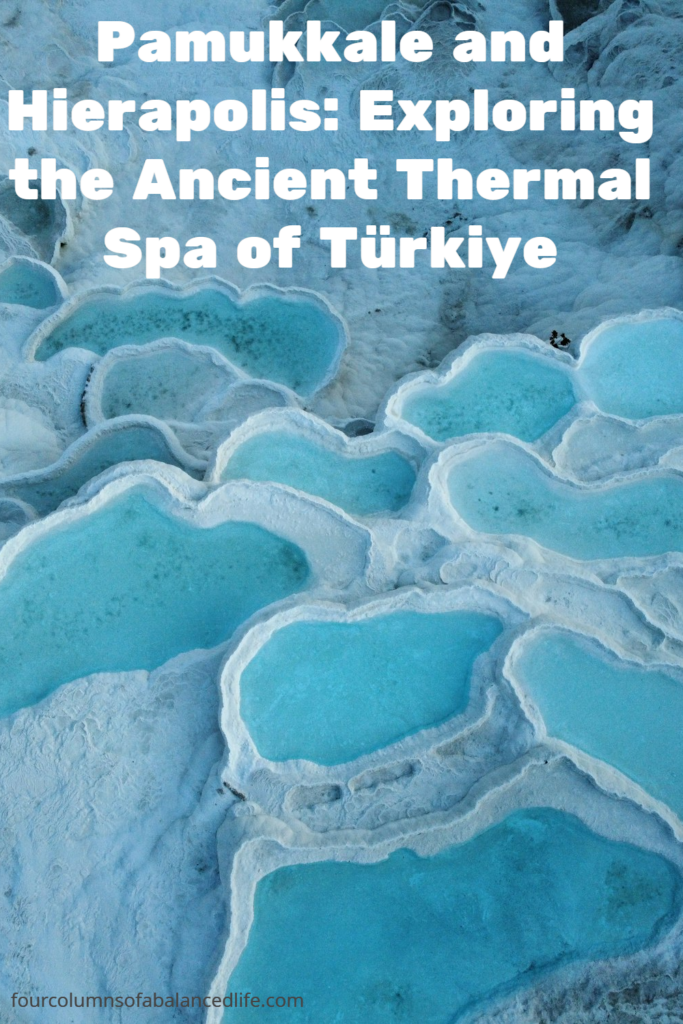
Pamukkale, meaning “Cotton Castle” in Turkish, is famous for its brilliant white travertine terraces that cascade down the hillside. Created over thousands of years by mineral-rich thermal waters, the terraces resemble frozen waterfalls or snow-covered cliffs, even during the heat of summer.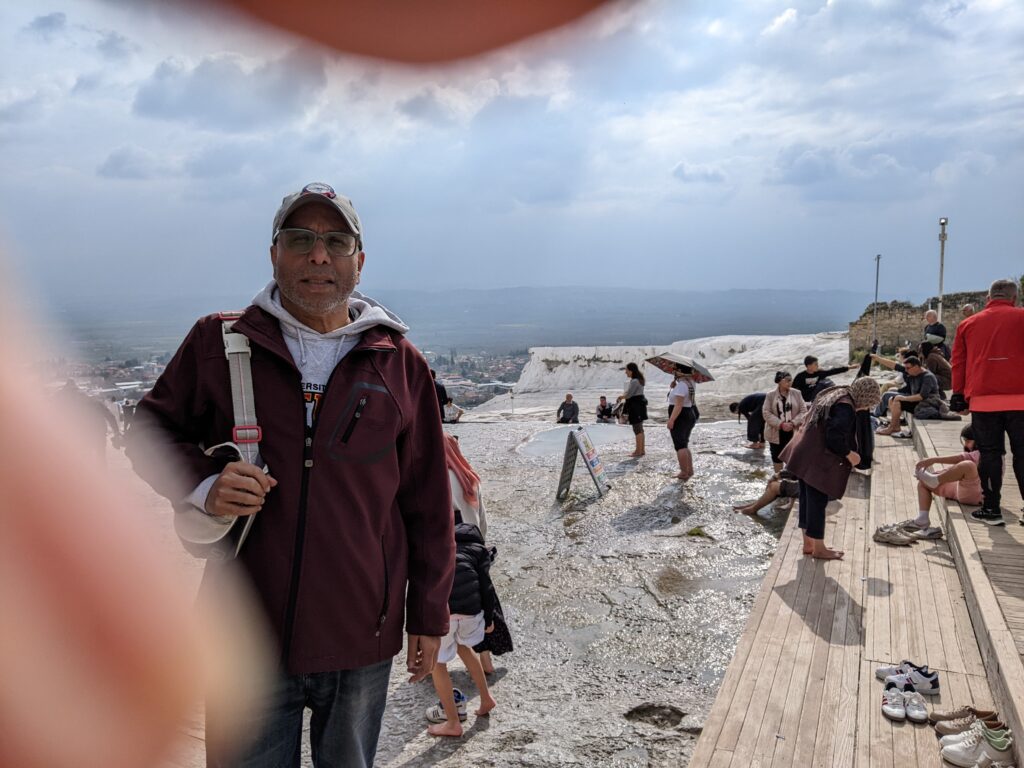
Above these stunning formations lies Hierapolis, an ancient Greco-Roman city that flourished because of these very same healing waters.
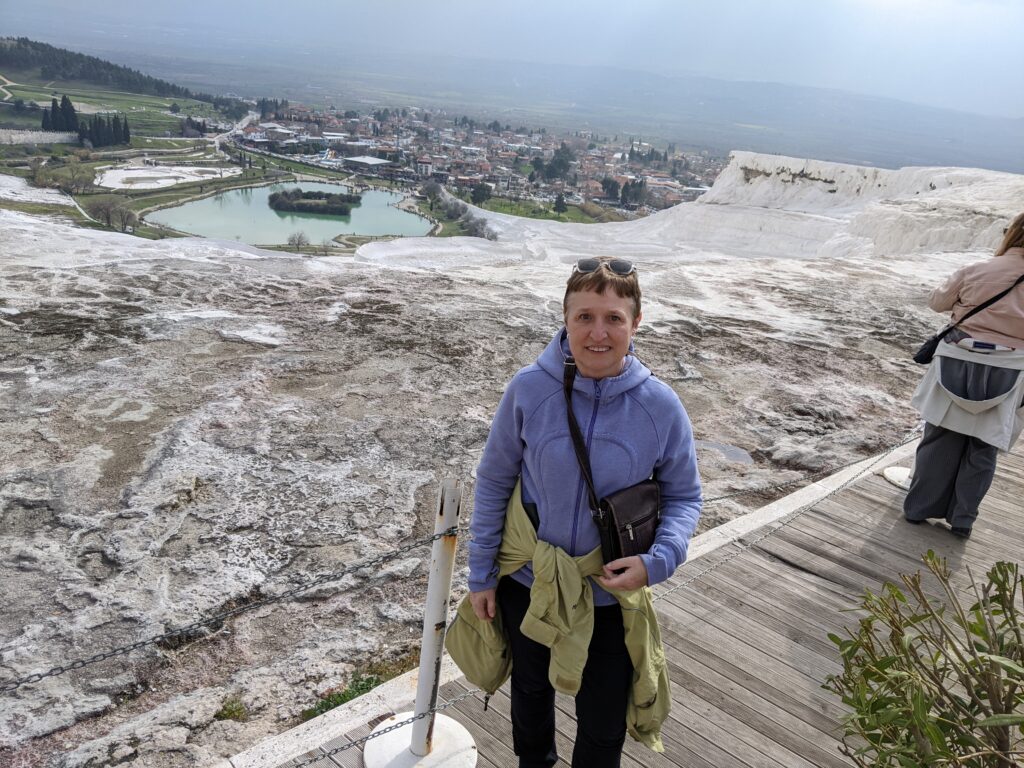
My visit combined breathtaking scenery with an incredible journey through nearly 2,300 years of history.
The Natural Wonder of Pamukkale
The brilliant white terraces are formed as warm, calcium-rich water flows down the mountainside. As the water cools, it deposits calcium carbonate, creating the dazzling travertine pools that have made Pamukkale famous throughout the world.
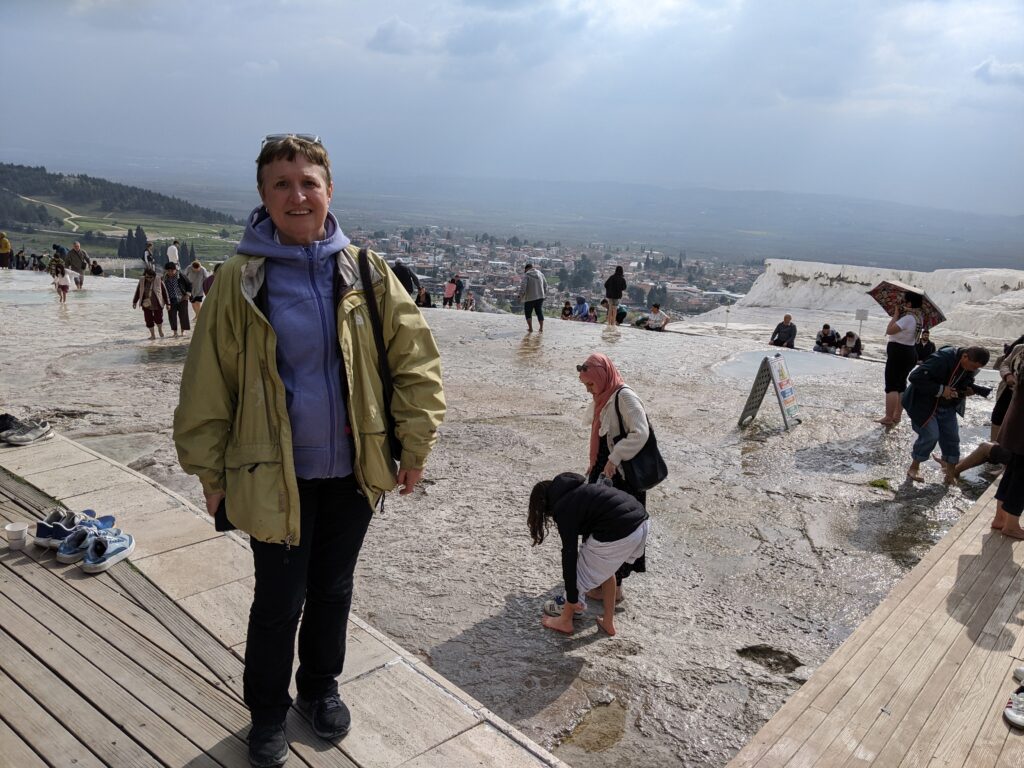
Walking barefoot across the terraces is required to protect this fragile natural wonder. The warm water gently flowing over the white formations creates an unforgettable experience.
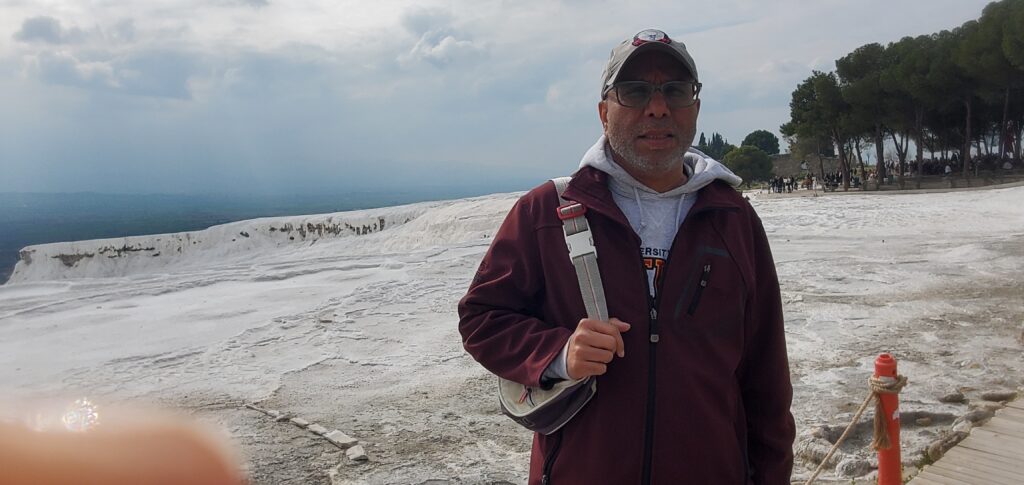
Every turn offers another picture-perfect view, and as the sunlight changes throughout the day, the terraces take on different shades of white, cream, and pale blue.
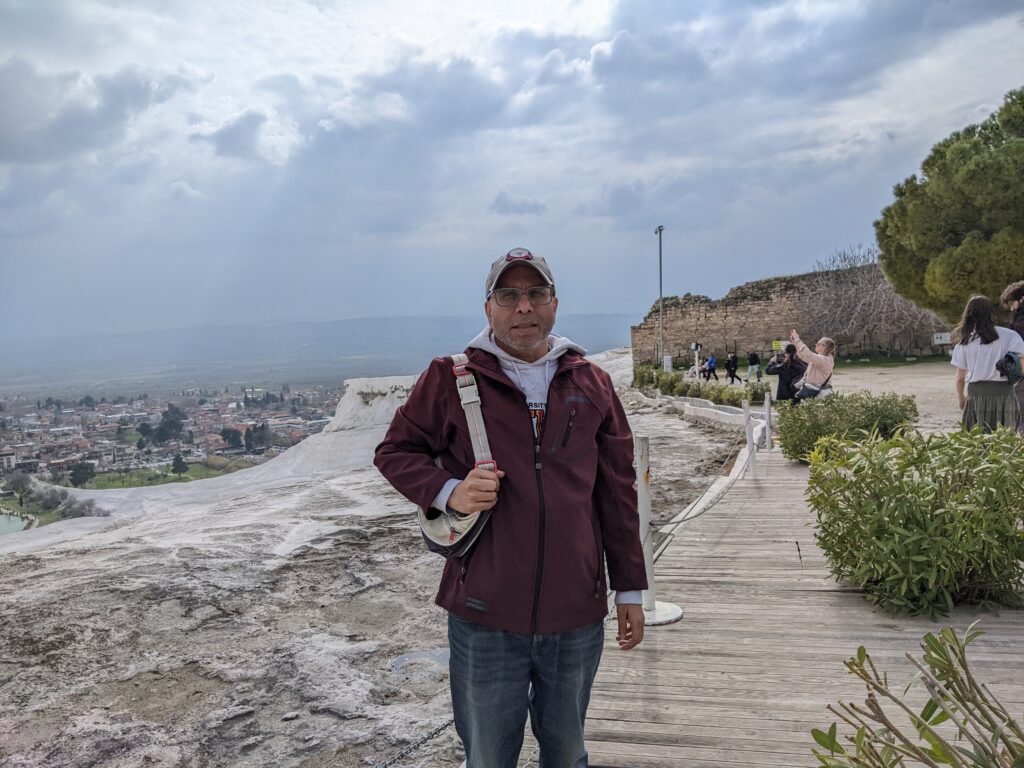
For centuries people have travelled here seeking the therapeutic benefits of these thermal springs. Even today many visitors come not only for the scenery but also to enjoy the naturally warm mineral waters.
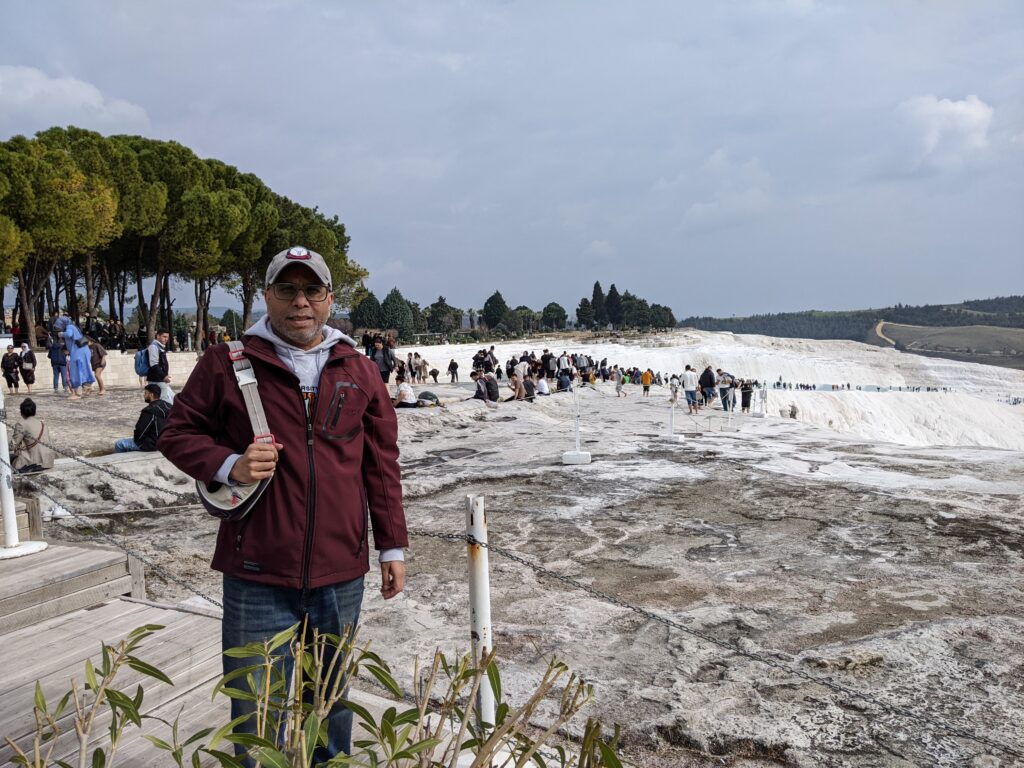
Hierapolis: The Ancient Spa City
The healing waters led to the founding of Hierapolis around 190 BC by King Eumenes II of Pergamon. The city was named after Hiera, believed to have been the wife of Telephus, the legendary founder of Pergamon.
The thermal springs quickly transformed Hierapolis into one of the most important spa cities in the ancient Roman world. Wealthy Romans travelled long distances to soak in the mineral-rich waters, believing they could cure arthritis, skin ailments, digestive problems, and numerous other illnesses.
The city prospered under Roman rule and became an impressive center of medicine, religion, commerce, and culture. Today, visitors can still walk the same marble streets once used by emperors, merchants, physicians, and pilgrims.
We began our exploration of Hierapolis by entering through the North Byzantine Gate, one of the city’s principal entrances during the Byzantine period.
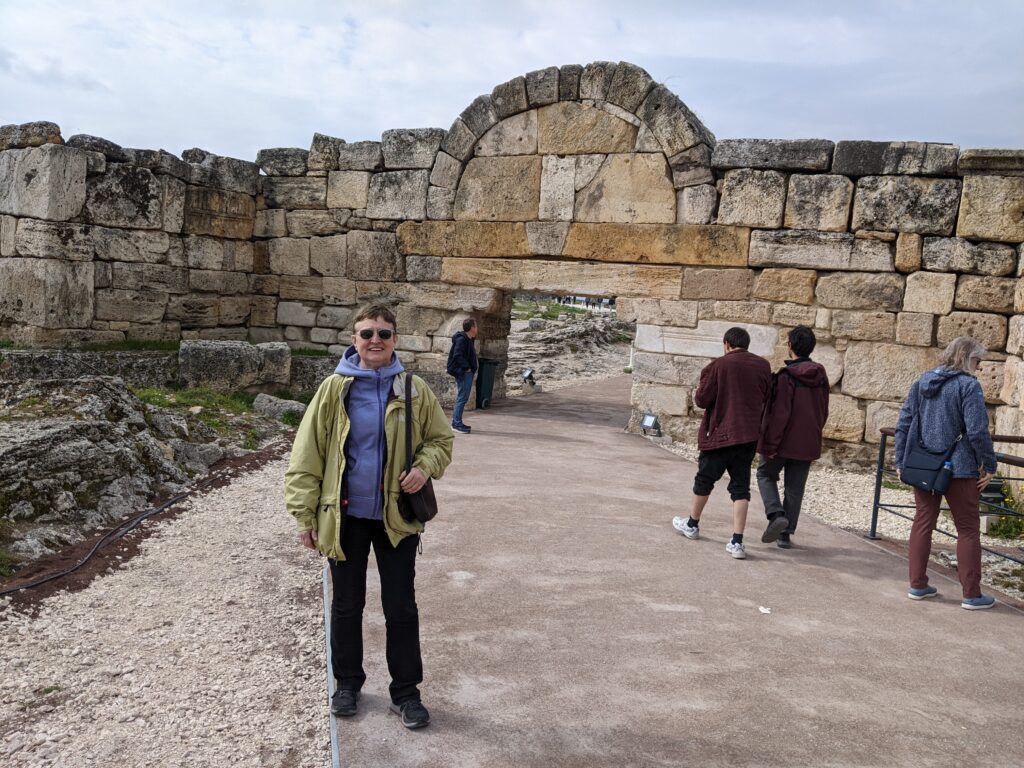
Passing through this impressive gateway felt like stepping back in time. Beyond the massive stone walls stretched the ancient city, with its broad streets, towering columns, temples, baths, and monuments waiting to be discovered. Walking through the gate gave me a sense of what pilgrims, traders, and visitors might have experienced centuries ago as they arrived at one of the Roman world’s most celebrated healing centers. It was the perfect introduction to a city whose remarkable history unfolds with every step.
The Magnificent Roman Theatre
One of the absolute highlights of Hierapolis is its magnificent Roman theatre.
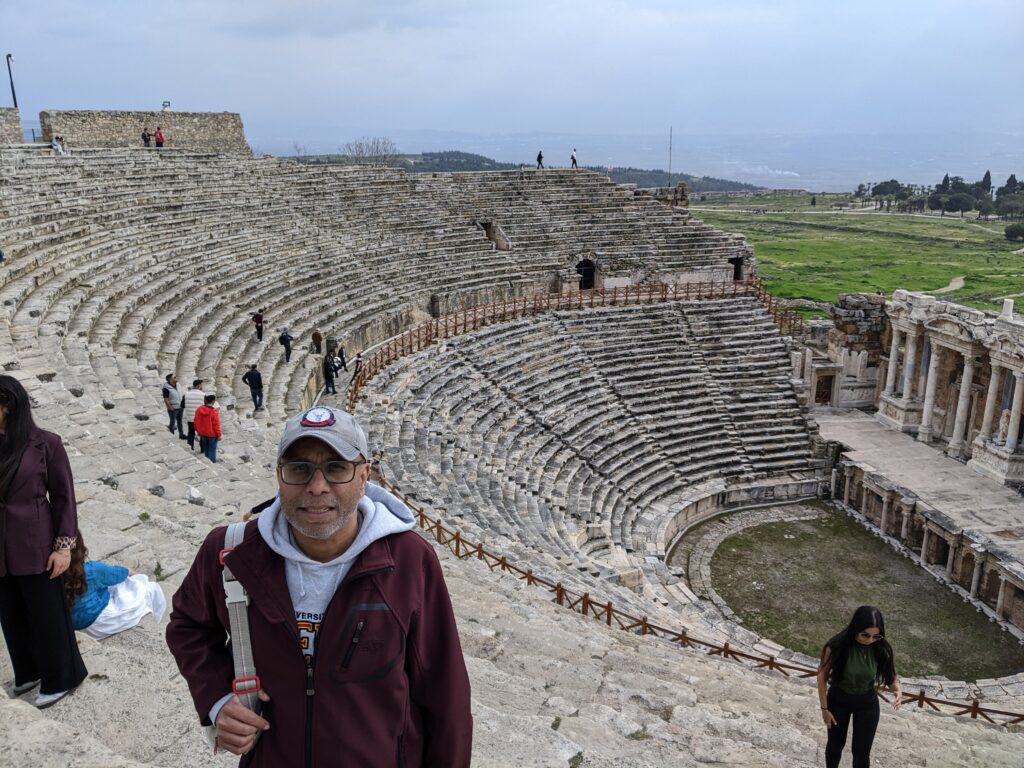
Built into the hillside during the reigns of Emperors Hadrian and Septimius Severus, the theatre is remarkably well preserved. It could accommodate approximately 12,000 spectators, making it one of the largest theatres in Asia Minor.
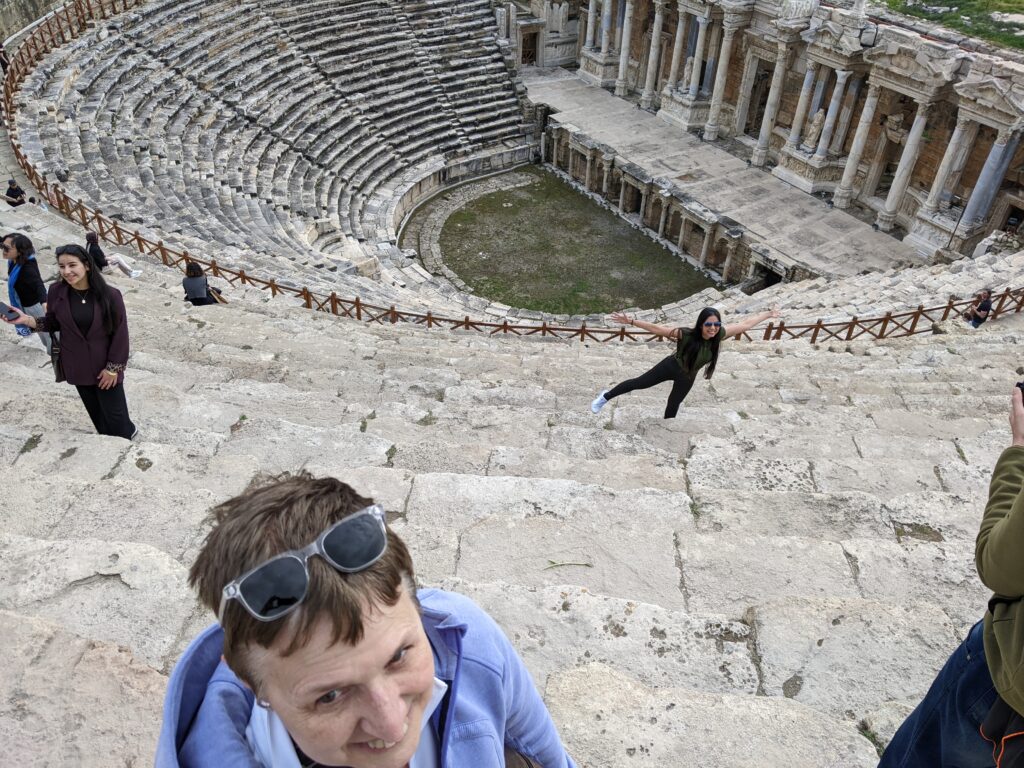
Climbing to the upper rows rewards visitors with breathtaking panoramic views over Pamukkale’s white terraces and the surrounding valley.
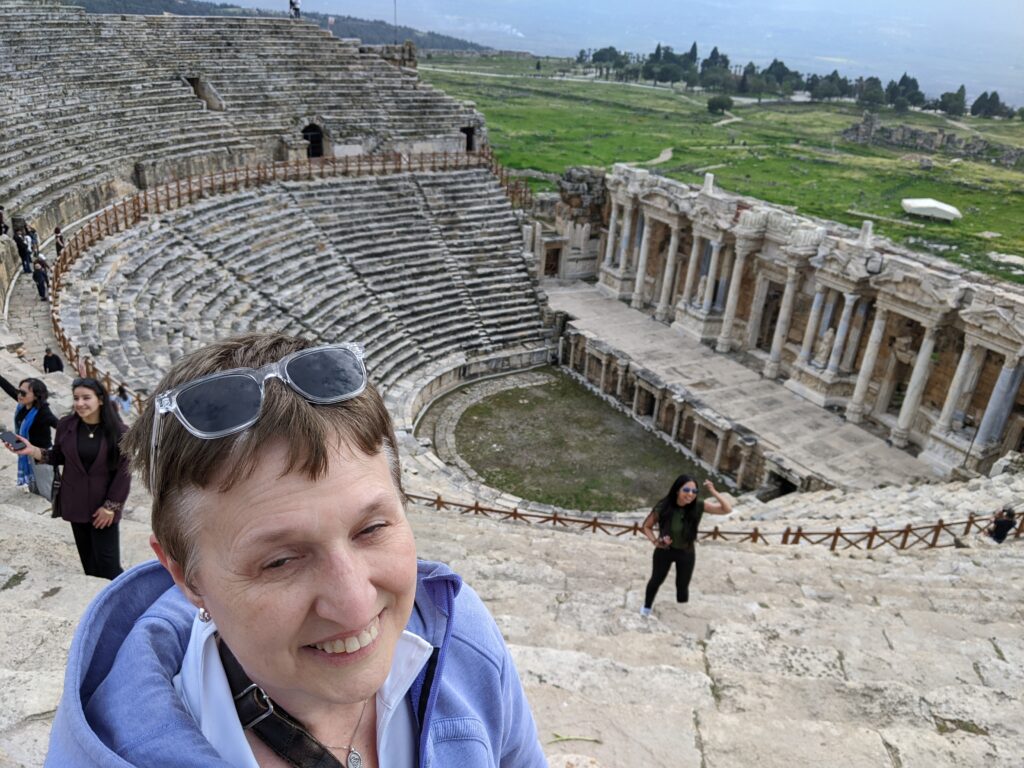
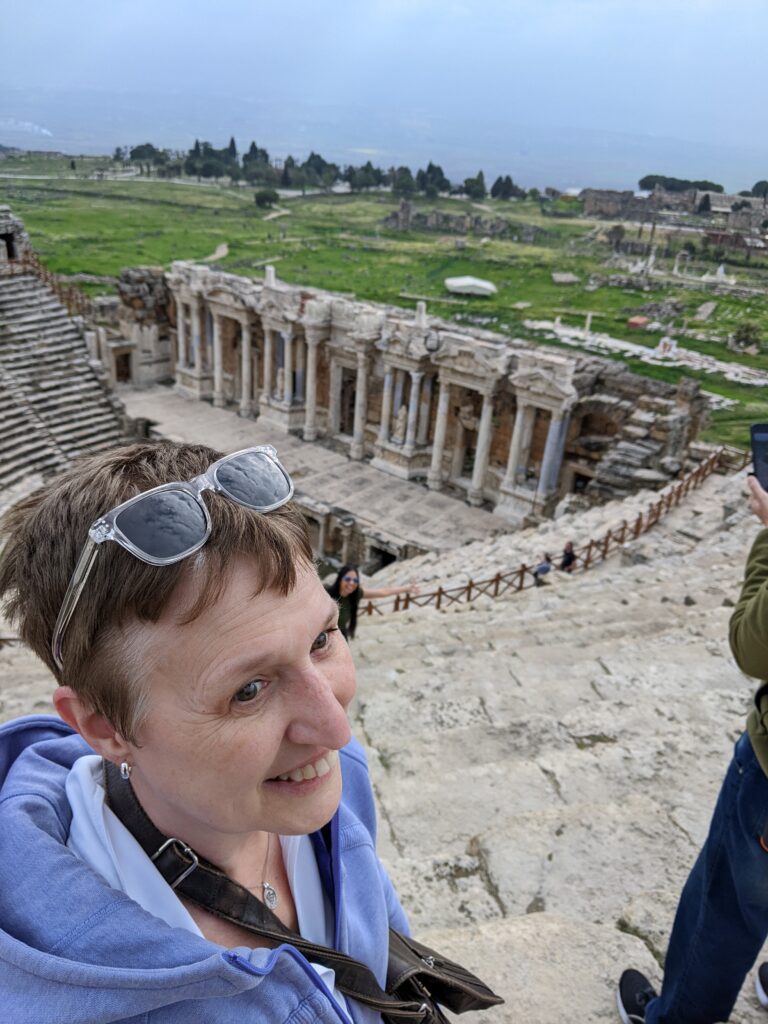
The richly decorated stage building showcases exquisite carvings of mythological figures, gods, emperors, and elaborate architectural details. Standing in the center of the theatre, it is easy to imagine audiences gathering nearly two thousand years ago to watch dramas, musical performances, and public ceremonies.
The theatre is undoubtedly one of the finest surviving examples of Roman architecture in Türkiye.
Walking Among Ancient Columns
Throughout Hierapolis, countless marble columns still stand as silent reminders of the city’s former grandeur.
As I wandered through the ancient streets, it was fascinating to see colonnaded avenues that once lined busy marketplaces and civic buildings. Many of these columns have been carefully restored, while others lie exactly where earthquakes brought them down centuries ago.
These impressive remains help visitors visualize the elegance of Roman urban planning. Every fallen column tells part of the story of a city repeatedly rebuilt after devastating earthquakes, particularly the major earthquake of AD 60, after which Emperor Nero helped restore the city.
The Temple of Apollo
One of the most important religious sites in Hierapolis is the Temple of Apollo.
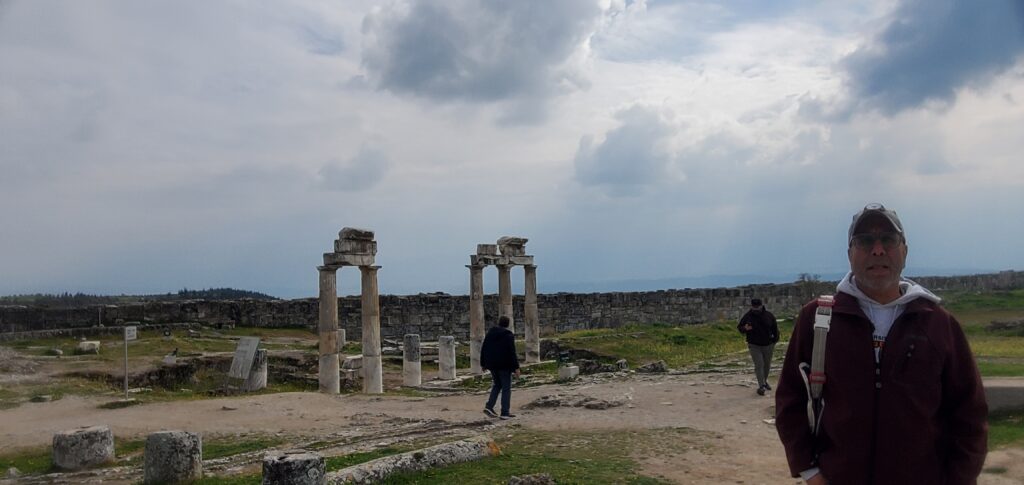
Apollo was revered as the city’s principal deity, associated with healing, prophecy, and divine protection. It was only fitting that a city famous for its therapeutic waters would dedicate one of its most sacred places to the god of healing.
Although only parts of the temple survive today, archaeologists have uncovered impressive foundations and architectural remains that reveal its former importance.
Pilgrims once gathered here seeking guidance from priests who interpreted mysterious signs believed to come from the gods.
The Plutonium: The Ancient Gate to Hell
Perhaps the most fascinating location in Hierapolis is the Plutonium, often called the Gate to Hell.
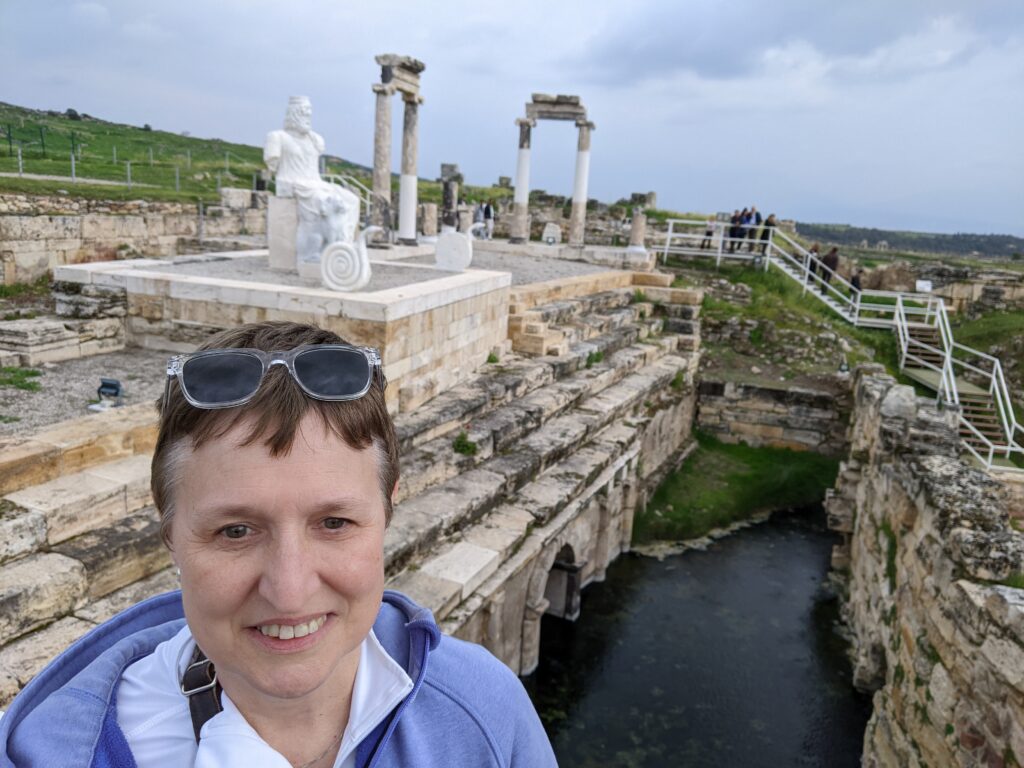
Ancient people believed this cave was an entrance to the underworld ruled by Pluto, the Roman god of the dead. Thick clouds of invisible carbon dioxide gas naturally escaped from a deep fissure beneath the temple.
Animals brought near the entrance often died within minutes, reinforcing the belief that supernatural forces guarded the gateway to the underworld.
Priests who understood how the gases behaved carefully demonstrated their “miraculous” ability to survive near the entrance while animals perished, astonishing ancient visitors and strengthening the site’s religious significance.
Modern scientific research has confirmed that dangerous concentrations of naturally occurring carbon dioxide continue to emerge from the cave today, explaining the ancient legends without diminishing their mystery.
Early Christianity and Hierapolis
Following the acceptance of Christianity by Emperor Constantine and his establishment of Constantinople as the “New Rome” in AD 330, Hierapolis entered an important new chapter in its history.
The city became an influential Christian center and was established as the seat of a bishop. Churches, chapels, and religious buildings gradually transformed the urban landscape.
Hierapolis is especially associated with St. Philip the Apostle, who is believed to have been martyred here during the first century. The impressive Martyrium of St. Philip became an important destination for Christian pilgrims from across the Byzantine Empire.
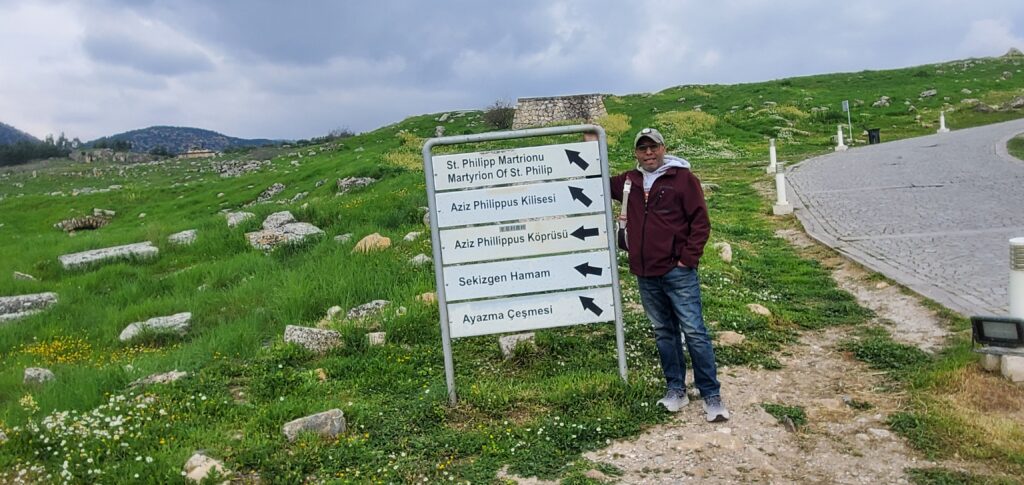
Today the ruins of churches and Christian monuments stand alongside Roman temples, beautifully illustrating the religious transformation that shaped the city over many centuries.
The Necropolis
Stretching for more than two kilometers, the Necropolis of Hierapolis is among the largest ancient cemeteries in the Mediterranean.
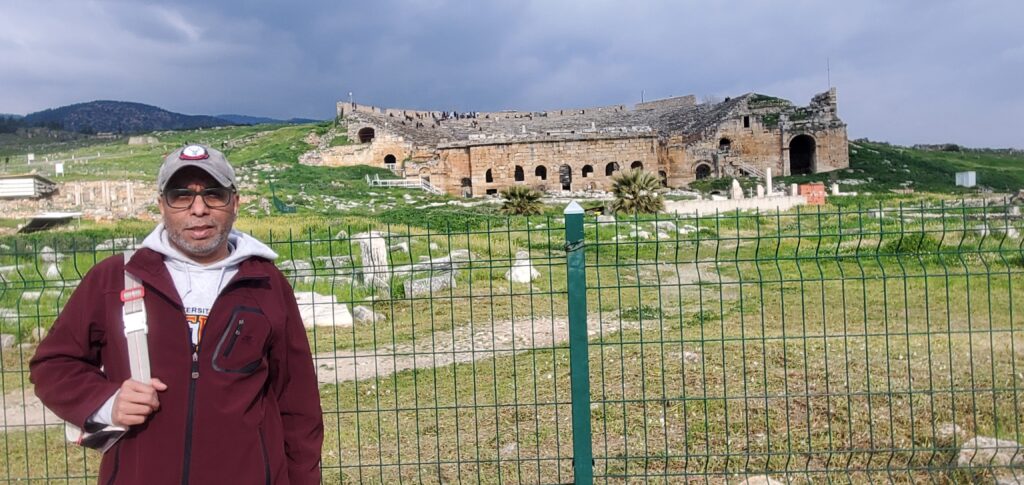
Thousands of tombs, sarcophagi, and family mausoleums line the ancient road leading into the city.
The sheer size of the necropolis reflects Hierapolis’ reputation as a healing destination. Many people journeyed here hoping for cures, while others who passed away during treatment were buried nearby.
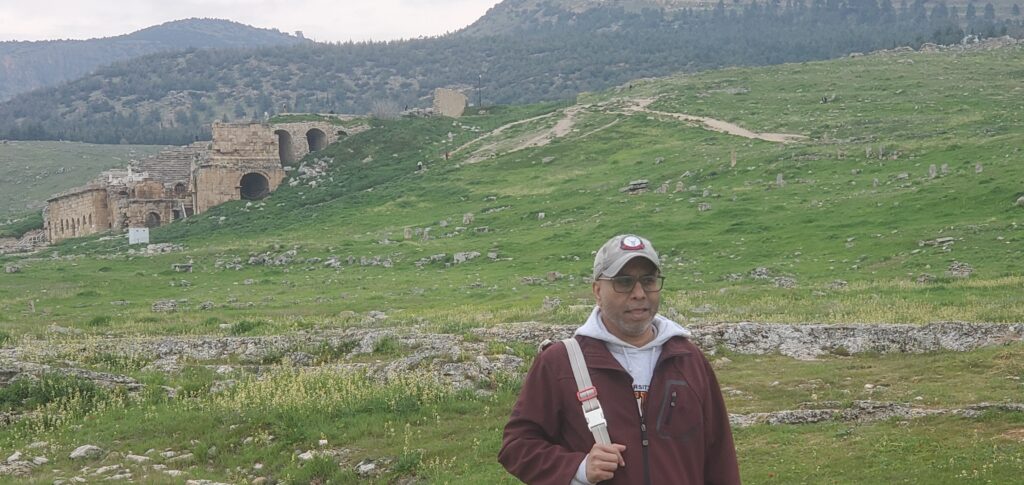
Walking through this remarkable cemetery provides another powerful reminder of the city’s enduring importance throughout antiquity.
Why Pamukkale and Hierapolis Matter Today
Pamukkale and Hierapolis offer an extraordinary combination of natural beauty, archaeology, history, religion, and geology that few destinations can match.
Where else can you walk across dazzling white thermal terraces, explore one of the finest Roman theatres in Asia Minor, stand before the Temple of Apollo, peer into the legendary Gate to Hell, swim among ancient Roman columns, and trace the beginnings of early Christianity, all in a single day?
The site is much more than a tourist attraction. It is a place where nature shaped civilization, where healing waters attracted emperors and ordinary people alike, and where ancient beliefs gradually gave way to Christianity, leaving behind layer upon layer of fascinating history.
Final Thoughts
Leaving Pamukkale and Hierapolis, I realized that the memories I would treasure most were not only the stunning white terraces but also the stories embedded in every stone. The theatre echoed with the voices of ancient audiences. The Temple of Apollo recalled centuries of worship and healing. The mysterious Gate to Hell reminded me how natural phenomena inspired powerful legends, while the churches of Hierapolis reflected the rise of Christianity in the Roman Empire.
For anyone planning a trip to Türkiye, Pamukkale and Hierapolis deserve a place at the very top of your itinerary. Whether you are captivated by history, archaeology, photography, geology, or simply the beauty of nature, this remarkable UNESCO World Heritage Site delivers an unforgettable experience that spans more than two millennia.
It is a destination where the wonders of the natural world and the achievements of ancient civilization continue to inspire every visitor fortunate enough to walk its remarkable paths.
Wow, this place looks amazing! It’s so hard to believe some of these places are real when you see photos. I love visiting places that are beautiful but also hold history.
This place looks so magical. History is incredible, so being able to walk along ancient grounds would be a memorable experience. One day I hope I can visit.
Oh, wow. That doesn’t even look real! It’s like something out of a movie. I would love to see this in person one day. I love the beauty and the history.
What an incredible place to visit! The photos are absolutely stunning, and I love how you shared both the history and practical travel tips. It’s definitely going on my travel bucket list!
This place looks incredible with all of the natural pools! I would love to visit and see the ruins.
The Gate to Hell detail is absolutely fascinating! The idea that priests figured out how to use the carbon dioxide to their advantage to look miraculous is such a good piece of history. Walking barefoot while warm water flows around you sounds like an experience unlike anything else.
The thermal spa is amazing, and the Roman theatre is, actually, magnificent. What an amazing adventure you had in Türkiye!!
What an experience traveling here must have been and I love looking at all of the pictures you have posted above. Such lovely memories made and I would so love to check out this place for myself some day.
What a beautiful post! These pics are stunning! I love how you weaved in the history of the regions in to this post! I’m a huge history buff, so this was very fun to read! I was an avid reader when I was a child, and I loved reading about history! I particularly liked reading about interesting women from history and their accomplishments. It inspired me to try to make a difference in my lifetime and leave a footprint of my own! Thankyou for sharing!
Such a beautiful place to visit rich in history. I have yet to visit Turkey yet. I do love the sound of Pamukkale and Heiropolis. They must have been so lovely to see and to experience the thermal pools. I think that the Plutonium would be something that family would enjoy visiting especially as it is called the Gate to Hell. Interesting about the gasses and priests deception.
This is so interesting! I can only imagine how surreal it must be to walk among those ancient columns and see the Temple of Apollo up close, especially as someone who enjoys Greek and Roman mythology. It’s cool that scientists were able to explain what caused the mysterious events at the Plutonium. Otherwise, I think it would feel a little scary to visit.
I have rheumatoid arthritis and fibromyalgia so I would love to try this natural thermal spa. We have a few hot springs in the US but I haven’t tried those either. I’d love to find something that could fully relieve my constant pain even if it was only temporary.