
What is Prosecco Sparkling Wine
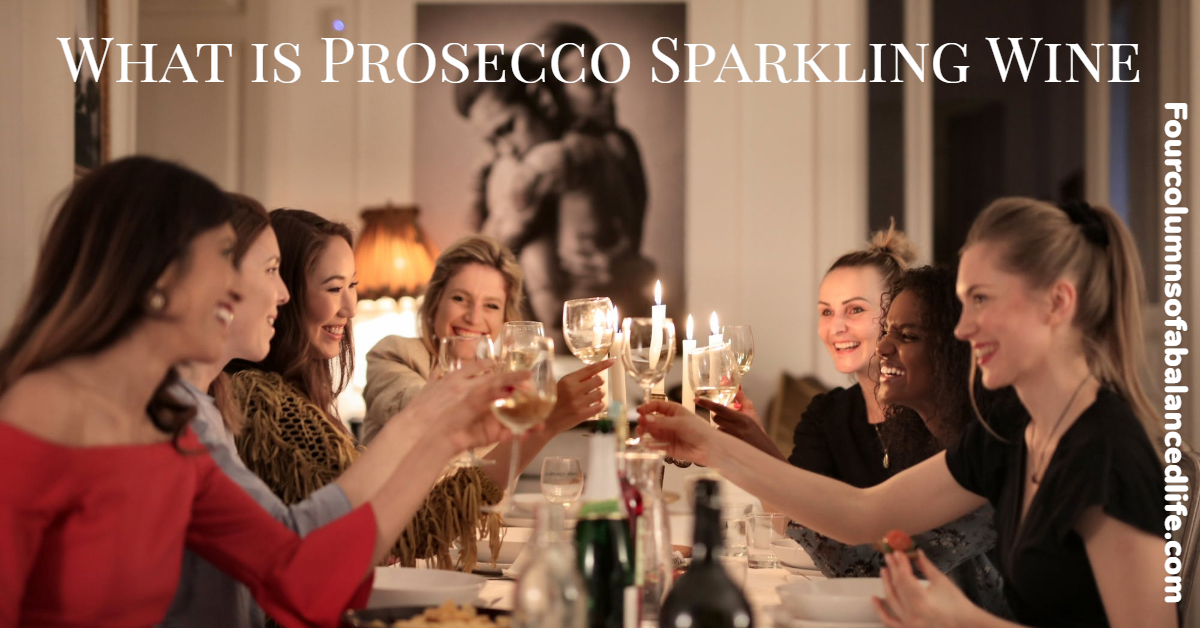
This spring, my sparkling wine of choice is Prosecco. There is something about its light, lively bubbles that feels perfectly suited to warm sunshine, blooming gardens, and relaxed afternoons on the patio. Pour a glass, take a sip, and let the sparkle welcome the new season.
The Beautiful Home of Prosecco
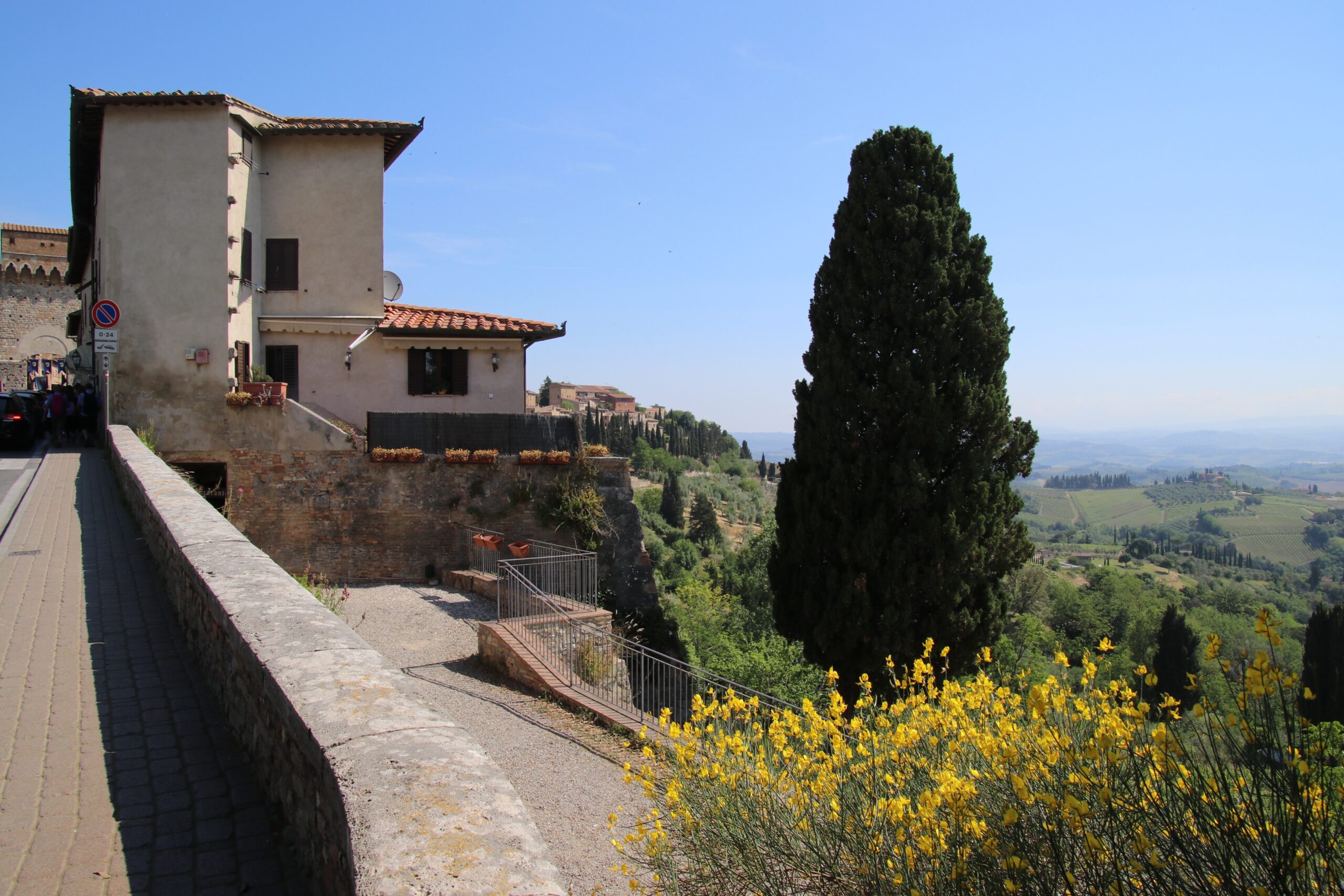
Prosecco comes from northeastern Italy, in the stunning Venetian hills. This landscape is a rolling tapestry of volcanic hills that rise and dip like waves across the countryside. Medieval castles, quaint abbeys, and charming hill towns dot the region, giving it a storybook atmosphere.
It is here that Italy’s beloved sparkling wine is produced.
The area has a long and fascinating history. In the second century BC, the Romans established important cities such as Padova, Vicenza, and Verona, and the region was known as Venetia. After the fall of the Roman Empire, communities settled in the surrounding hills seeking protection from invading forces. Over time, these settlements evolved into thriving towns, eventually contributing to the rise of the famous seaport of Venice.
Wine has been part of life here since Roman times, though the Prosecco enjoyed today has evolved significantly from the wines produced in antiquity.
The Grape Behind the Sparkle
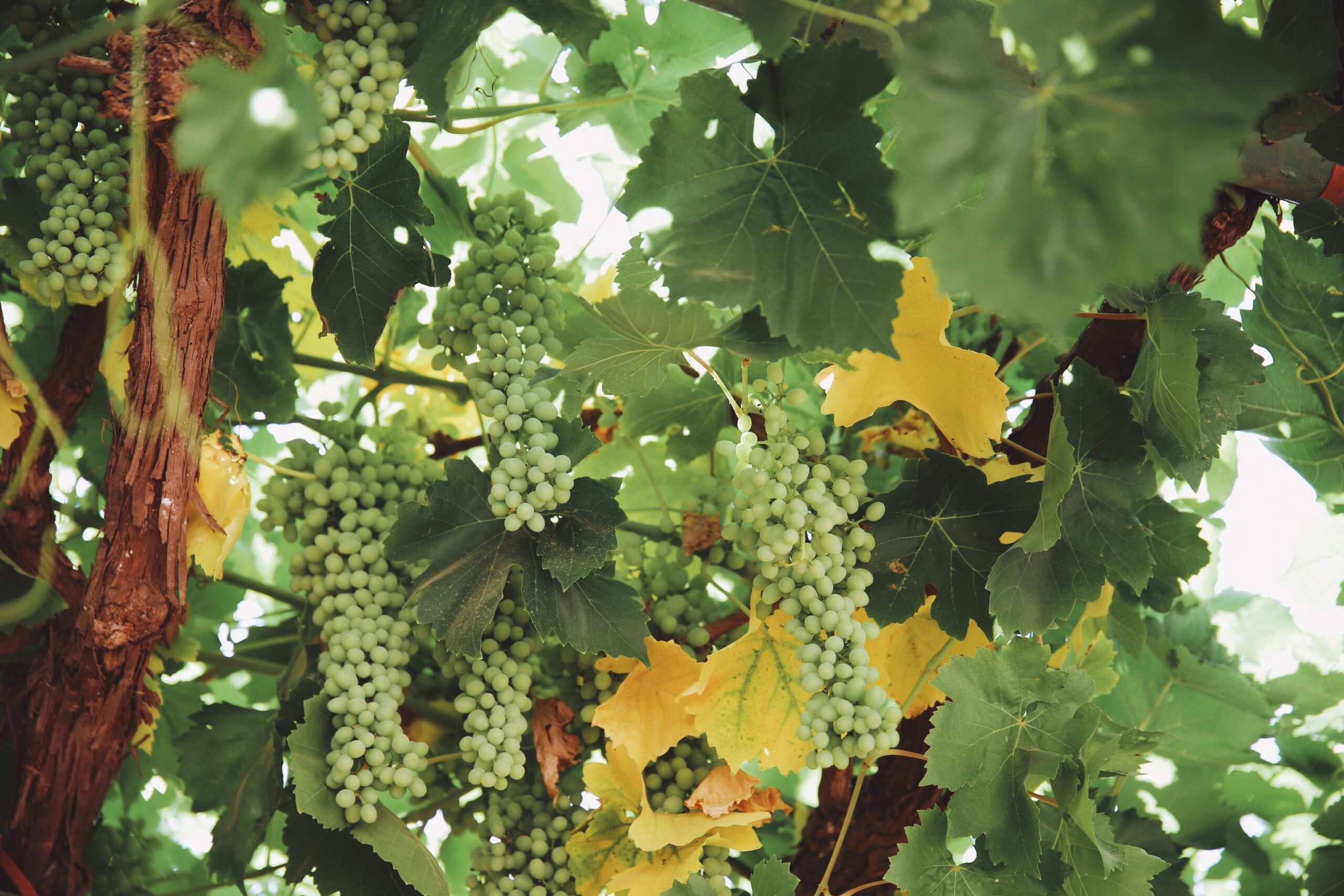
The grape responsible for Prosecco is called Glera. This green-skinned variety thrives in the region’s maritime climate and mineral-rich soils, conditions that help create the wine’s bright, fresh character.
Glera is a late-ripening grape, harvested toward the end of the growing season. Fermentation pauses during the winter months and naturally resumes in the spring. This process creates carbon dioxide, forming the delicate bubbles that give Prosecco its signature sparkle.
Two important appellations define the heart of Prosecco production:
-
Prosecco di Conegliano
-
Prosecco di Valdobbiadene
In 2009, the European Union officially recognized the grape’s name as Glera, and the Conegliano–Valdobbiadene region was elevated to DOCG status, the highest quality classification in Italy. At the same time, the Italian government protected Prosecco as a geographic designation.
Prosecco is Unique
While Prosecco is a sparkling wine, it is quite different from Champagne.
In 1868, chemist and winemaker Antonio Carpenè founded the Carpenè Malvolti winery and helped pioneer a modern method for producing Prosecco. Instead of fermenting the wine in individual bottles, he used large pressurized tanks for the second fermentation. This process, known as the Charmat method, allows carbonation to develop inside stainless steel tanks.
The result is a sparkling wine that is lighter, fruitier, and more aromatic than Champagne, without the heavier yeasty notes that come from bottle fermentation.
Prosecco is designed to be enjoyed young and fresh, when its lively fruit character is at its best.
The sweetness levels vary depending on the amount of residual sugar remaining after fermentation:
-
Brut – up to 15 grams of residual sugar
-
Extra Dry – 12–20 grams
-
Dry – 20–35 grams
Despite the names, “Extra Dry” is often the most common style and slightly sweeter than Brut.
A Prosecco Worth Tasting
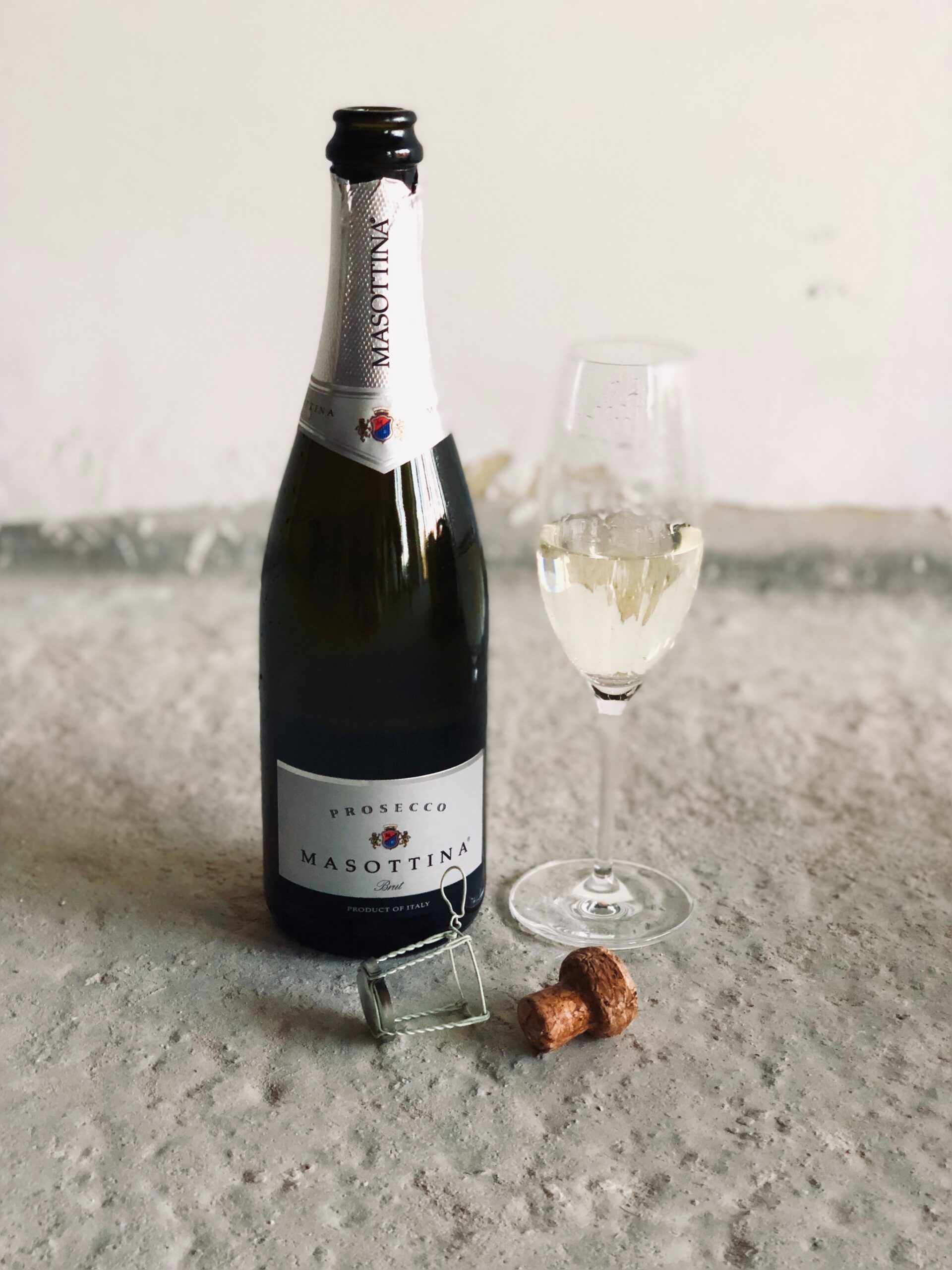
Recently I had the pleasure of tasting Adami Prosecco Bosco di Gica DOCG Valdobbiadene, and it was a delightful expression of the region.
Winemaker Franco Adami has created a beautifully balanced sparkling wine where the fizz, sweetness, and acidity work in harmony. The aroma carries subtle notes of peach and fresh minerals, evoking the very hills where the grapes are grown.
It pairs wonderfully with shellfish, fish, and seafood, making it a perfect companion for spring and summer meals.
This Prosecco was also awarded Gold at The Wine Hunter Awards in 2017, a recognition that reflects its quality and craftsmanship.

A Toast to Spring
If you are planning a celebration, hosting friends, or simply enjoying a quiet evening in the sunshine, I strongly recommend reaching for a bottle of Prosecco. Its light sparkle and refreshing character make it one of the most enjoyable wines of the season.
Sometimes the best moments are simple ones: good company, warm weather, and a glass of something that sparkles.
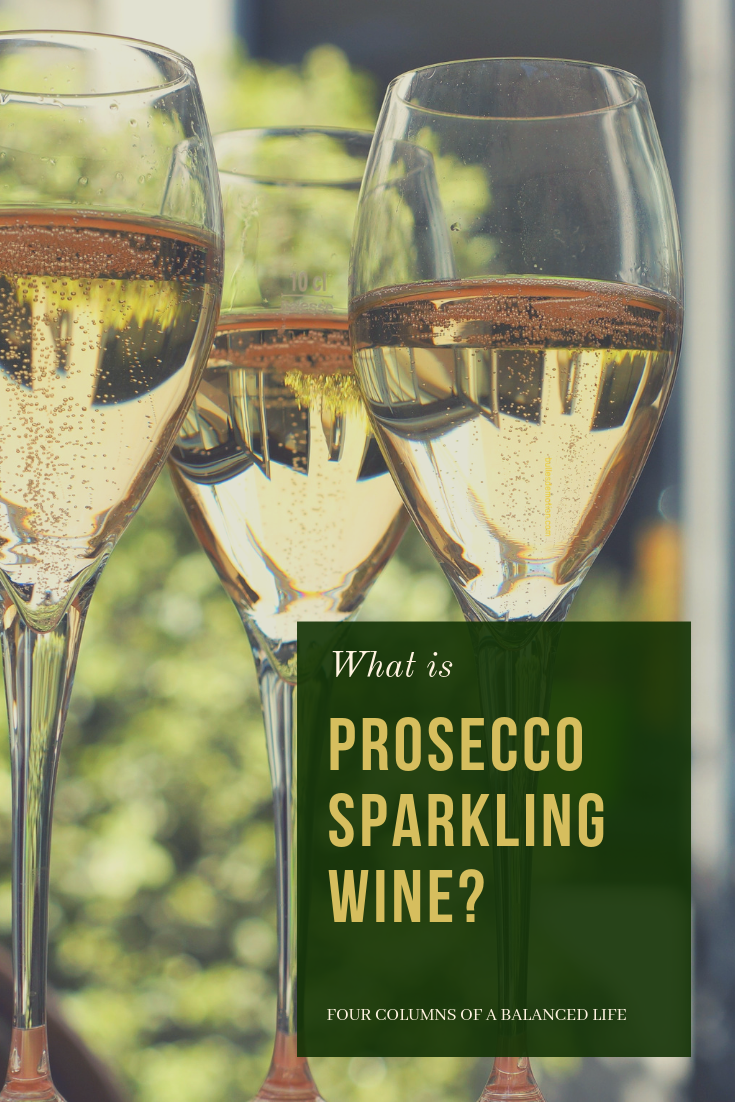
Photo Credits: Terry Timmins Raychan Lisanne van Elsen Mel Maldonado-Turner
The author would like to thank Giulia Medusa from Adami Srl for reviewing this blog post and for providing pictures.
I am not a fan of this wine, but I know many people love it. I could never get a taste for the bubbles. I’ll just take the bubbly apple cider, ha.
The Prosecco sounds like a very nice soft blend of wine, I don’t drink but my oldest daughter and sister in-laws love wine, I’m going to have to mention the Prosecco brand to them
My middle son just got married and they chose this wine for their toast. It was a delicious wine.
Wow! Such an amazing history of winery, great pleasure to us to experience and see this place to taste this kind of wine and enjoy.
This sounds like the best of both worlds! I will have to try this some time — sounds like the perfect drink from spring or summer.
This was such an enjoyable read! I didn’t realize how much history and tradition was behind Prosecco, especially the role of the Glera grape and the Charmat method.